
- 5-STAR RATED BY OUR CUSTOMERS
- SATISFACTION GUARANTEED
BLOW-IN INSULATION COMPANY ST. PETERSBURG FL
Blow In Insulation Company in St. Petersburg, Fl | Trusted Insulation Contractor
- Locally Owned and Operated
- 20 Years of Experience
- Fully Insured & Licensed
- 100% Satisfaction Guarantee
Request Your Free Energy Assessment (727) 418-3211
When you need a blow in insulation company in St. Petersburg, Florida, you need experienced professionals who understand the unique climate challenges of the Gulf Coast. Value Air and Heat delivers expert blow in insulation services that dramatically improve your home’s energy efficiency, comfort, and indoor air quality. Our certified blow in insulation contractors specialize in both attic and wall applications, using premium materials and proven installation techniques to ensure maximum performance and longevity.
Blown-in insulation remains the gold standard for retrofitting existing homes and optimizing new construction because it fills every gap, crack, and irregular space that traditional batt insulation simply cannot reach. Whether you’re struggling with high cooling bills during St. Petersburg’s humid summers, uncomfortable temperature variations between rooms, or inadequate attic insulation that’s compressing and losing effectiveness, our insulation blow in solutions provide immediate, measurable results.
Professional Blow-In Insulation Services in St. Petersburg
Value Air and Heat offers complete blow in insulation services tailored to St. Petersburg homeowners’ specific needs. Our comprehensive approach begins with a thorough energy assessment to identify thermal weak points, air leakage pathways, and areas where existing insulation has degraded or settled. We don’t just add more insulation—we create a strategic thermal envelope enhancement plan that addresses your home’s unique architecture and your family’s comfort priorities.
Our blow in insulation service portfolio includes:
- Attic Insulation Installation: New construction and retrofit applications up to R-60
- Wall Cavity Insulation: Dense-pack blown-in for existing walls without drywall removal
- Floor and Crawl Space Insulation: Thermal barrier for elevated homes common in coastal areas
- Garage Ceiling Insulation: Temperature control for converted spaces and workshops
- Knee Wall and Cathedral Ceiling Insulation: Specialized techniques for complex architectural features
Why St. Petersburg Homeowners Choose Blow-In Insulation
St. Petersburg’s subtropical climate creates unique insulation demands. With average summer temperatures reaching the low 90s°F and high humidity levels year-round, your home’s thermal envelope must work harder than in temperate climates. Blow-in insulation excels in Florida conditions because:
- Complete Coverage: Blown-in materials conform perfectly to irregular joist spacing, wiring, ductwork, and structural anomalies that leave gaps with batt insulation
- Moisture Resistance: When properly installed with adequate ventilation, quality blown-in materials resist moisture accumulation that can lead to mold growth
- Pest Deterrent: Cellulose insulation treated with borate compounds naturally repels insects and rodents
- Retrofit-Friendly: Installation doesn’t require removing drywall or major construction disruption
- Proven Longevity: Quality blown-in insulation maintains effectiveness for 20-30+ years when properly installed
According to the U.S. Department of Energy, proper attic insulation can reduce cooling costs by 10-50% in hot climates like St. Petersburg. The Florida Building Code currently requires minimum R-30 attic insulation for new construction, but R-38 to R-49 delivers optimal performance for existing residential and commercial with central air conditioning.
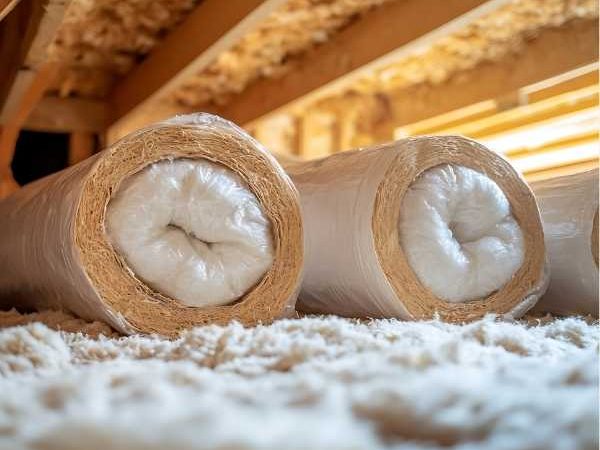
Our Comprehensive Insulation Blow In Solutions
Every home presents unique challenges. Historic bungalows in Old Northeast have different home insulation needs than modern ranch homes in Meadowlawn or coastal properties in Tierra Verde. Our insulation blow in methodology addresses these variations:
Pre-Installation Assessment includes thermal imaging to identify heat loss patterns, attic ventilation calculation to prevent moisture issues, and existing insulation evaluation for compression, contamination, or inadequate coverage. We measure current R-values and compare them to recommended levels for St. Petersburg’s Climate Zone 2.
Material Selection Guidance helps you choose between blown-in fiberglass (excellent thermal performance, fire-resistant, non-settling) and cellulose (eco-friendly recycled content, superior sound dampening, excellent air sealing). We source premium materials from Owens Corning, Johns Manville, and CertainTeed—all backed by manufacturer warranties.
Installation Excellence means our technicians use calibrated blowing equipment to achieve specified density and depth, install baffles to maintain ventilation airflow, seal bypasses before installing insulation, and verify R-value achievement with depth measurements throughout the attic.
Compare Insulation Options – Get Custom Recommendation
What Is Blow-In Insulation and How Does It Work?
Blow-in insulation, also called loose-fill or blown insulation, consists of small particles of fiber, foam, or other materials that are pneumatically blown into attics, wall cavities, and other spaces using specialized equipment. This installation method creates a seamless thermal blanket that conforms perfectly to any space, eliminating the gaps and compression issues common with batt insulation.
The technology works through a two-component system: 1) insulation material broken into small, fluffy particles that trap air within their structure, and 2) a blowing machine that uses compressed air to propel these particles through a hose into the target area. As particles accumulate, they interlock to create a dense, uniform layer that resists heat transfer through both conduction (direct material contact) and convection (air movement).
This installation approach proves particularly effective in retrofit applications because technicians can access attic spaces through small entry points without disturbing finished ceilings. For wall applications, installers drill small holes near the ceiling line of each stud bay, fill the cavity with dense-pack insulation, then patch and paint the access holes—resulting in minimal disruption compared to removing and replacing drywall.
The Blow-In Insulation Installation Process
Professional blow in insulation contractors follow a systematic process to ensure optimal thermal performance:
Preparation Phase: Technicians inspect the installation area, identify and seal air leakage points (gaps around plumbing penetrations, electrical wiring, recessed lights, attic hatches), install ventilation baffles to maintain required airflow from soffit vents to ridge vents, and place depth markers throughout the attic to verify target R-value achievement.
Material Loading: Compressed insulation bales are loaded into the hopper of an insulation blowing machine. The machine’s agitator breaks apart compressed material and fluffs it to proper density before feeding it into the pneumatic delivery system.
Installation Application: One technician operates the blowing machine while another guides the delivery hose in the attic or wall cavity. For attic applications, installation begins in areas farthest from access points and progresses toward the exit. Material is applied in consistent passes to achieve uniform depth and density. Depth markers ensure the installed insulation reaches calculated depths needed for specified R-values.
Quality Verification: Post-installation inspection confirms consistent depth throughout the area, proper ventilation airflow maintenance, complete coverage around obstacles and irregular spaces, and achievement of specified R-value (measured by depth at marked locations).
Professional installation typically takes 3-6 hours for an average 1,500 square foot attic, depending on existing conditions, required preparation work, and access constraints.
Types of Blown-In Insulation Materials We Install
Three primary materials dominate the blow in insulation market, each offering distinct advantages:
Fiberglass Blow-In Insulation consists of fine glass fibers manufactured from recycled glass and sand. This material offers R-2.2 to R-2.7 per inch of installed depth, excellent fire resistance (non-combustible Class A rating), moisture resistance (fiberglass doesn’t absorb water), and minimal settling (less than 1% over the product’s lifetime). Owens Corning AttiCat and Johns Manville Climate Pro are premium fiberglass products we frequently install. Fiberglass proves ideal for homeowners prioritizing fire safety and long-term R-value retention.
Cellulose Blow-In Insulation is manufactured from recycled paper products treated with borate compounds for fire and pest resistance. It delivers R-3.2 to R-3.8 per inch, superior air sealing capability due to smaller particle size, excellent sound dampening (roughly 60% better than fiberglass), and eco-friendly recycled content (typically 75-85% post-consumer material). The dense-pack application method achieves R-values of 3.6-3.8 per inch in walls, making cellulose the premier choice for retrofit wall insulation. GreenFiber and Nu-Wool are leading cellulose brands. Homeowners choosing cellulose value environmental sustainability and superior sound control.
Mineral Wool/Rock Wool Blow-In Insulation is produced from natural rock or blast furnace slag. This premium material offers R-3.0 to R-3.3 per inch, exceptional fire resistance (melting point above 2,000°F), superior sound absorption, and excellent moisture resistance with natural mold resistance. While less common due to higher material costs, mineral wool excels in applications requiring maximum fire protection or sound control.
Benefits of Blow In Insulation for Florida Homes
Investing in professional blow in insulation services delivers multiple benefits that extend far beyond reduced energy bills. St. Petersburg homeowners experience immediate and long-term advantages:
Energy Cost Reduction: Properly installed attic insulation to R-38 or higher can reduce cooling costs by 15-30% during Florida’s extended cooling season (roughly 8-10 months annually). The Florida Solar Energy Center found that upgrading attic insulation from R-11 to R-38 reduced summer cooling electricity use by 22% in test homes throughout the state.
Enhanced Home Comfort: Consistent temperatures between rooms eliminate hot spots and cold zones. Better insulation reduces the temperature differential between your home’s interior and the hot attic space above, decreasing the load on your air conditioning system. This results in more even cooling, fewer AC cycles, and reduced wear on HVAC equipment.
Improved Indoor Air Quality: When combined with proper air sealing, upgraded insulation reduces infiltration of outdoor air, pollen, humidity, and pollutants. This creates a healthier indoor environment, particularly beneficial for family members with allergies or respiratory sensitivities.
Noise Reduction: Blow-in insulation significantly dampens sound transmission from outside (traffic, neighbors, aircraft) and between rooms. Cellulose insulation proves particularly effective for noise control, absorbing roughly 60% more sound than standard fiberglass batts.
Increased Home Value: Energy-efficient homes command premium prices in St. Petersburg’s competitive real estate market. Energy audits and home energy ratings (HERS scores) provided by RESNET-certified raters help document improved efficiency for potential buyers.
HVAC Longevity: Reduced cooling load and shorter run times extend air conditioning system lifespan by 15-25%. Your AC unit cycles less frequently and operates under less stress, delaying the need for costly system replacement.
Moisture Control: Proper insulation combined with adequate ventilation reduces condensation risk in attic spaces. This prevents wood rot, mold growth, and structural deterioration common in poorly insulated Florida attics where temperature differentials create condensation.
Energy Efficiency in St. Petersburg's Climate
St. Petersburg’s Climate Zone 2 classification means cooling dominates your annual energy consumption. Unlike northern climates where heating represents the primary concern, Florida homes require insulation strategies optimized for keeping heat OUT rather than keeping heat IN.
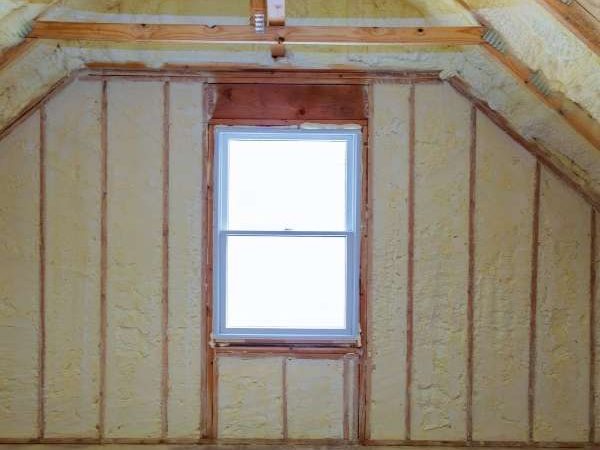
Attic temperatures in St. Petersburg commonly reach 140-160°F during summer afternoons. Without adequate insulation, this extreme heat radiates through your ceiling into living spaces, forcing your air conditioner to work continuously. The R-value measures a material’s thermal resistance—its ability to slow heat transfer. Higher R-values provide better insulation.
Current Florida Building Code (6th Edition, based on 2017 IECC) requires:
- Attic/Ceiling Insulation: Minimum R-30, recommended R-38 to R-49 for maximum efficiency
- Wall Insulation: R-13 minimum (existing homes often have R-0 to R-7)
- Floor Insulation: R-13 (for homes over unheated spaces like garages or crawl spaces)
Upgrading from R-19 to R-38 attic insulation can reduce ceiling heat gain by approximately 50%, translating to significant cooling cost savings over the insulation’s 25-30 year lifespan.
Superior Coverage in Hard-to-Reach Areas
Traditional batt insulation struggles with irregular spaces, and gaps as small as 5% of insulated area can reduce overall thermal performance by 50% or more. Blown-in insulation excels in:
Complex Framing: Cathedral ceilings, irregular joist spacing, and retrofitted additions create challenging geometry for batts. Blown-in material flows around obstacles.
Mechanical Penetrations: Electrical wiring, plumbing pipes, HVAC ducts, and junction boxes create gaps in batt installations. Blown-in insulation conforms around these elements.
Truss Systems: Modern engineered roof trusses feature complex webbing that’s nearly impossible to insulate properly with batts. Blown-in application fills every void.
Existing Insulation Gaps: Many St. Petersburg homes built in the 1960s-1990s have compressed or inadequate attic insulation. Adding blown-in material over existing insulation boosts R-value without removing old material (unless contaminated or wet).
Moisture and Humidity Management
Humidity management separates Florida insulation projects from those in drier climates. St. Petersburg’s average relative humidity ranges from 72-75%, creating moisture challenges:
Ventilation Balance: Adequate attic ventilation (1 square foot of vent area per 150 square feet of attic space, or 1:300 with proper vapor barrier) prevents moisture accumulation. We install baffles at each rafter bay to maintain airflow from soffit to ridge vents.
Air Sealing Priority: Before installing insulation, we seal air leakage points where conditioned air escapes into the attic. This prevents moisture-laden indoor air from contacting cold surfaces and condensing.
Material Selection: Fiberglass resists moisture absorption, while treated cellulose includes moisture-resistant additives. Both materials allow water vapor to pass through (breathable), preventing moisture trapping.
Vapor Barrier Considerations: In Florida’s cooling-dominant climate, vapor barriers in walls should be installed on the exterior (warm in summer) side, opposite to northern homes. Attic insulation typically doesn’t require vapor barriers when adequate ventilation exists.
Schedule Moisture Assessment – Protect Your Investment
Blow In Attic Insulation: Maximum Energy Savings
Your attic represents the single most important area for insulation investment. Heat rises, and in St. Petersburg’s climate, heat also radiates downward from your superheated attic into living spaces. Blow in attic insulation provides the most cost-effective method to dramatically improve your home’s thermal performance.
The U.S. Department of Energy identifies attic insulation as the #1 priority for home energy upgrades, typically delivering ROI within 2-4 years through energy savings alone. For St. Petersburg homeowners running air conditioning 8-10 months annually, proper attic insulation can reduce annual cooling costs by $300-$600 or more, depending on home size, current insulation levels, and HVAC efficiency.
Professional blow in attic insulation installation involves more than simply blowing material into your attic space. Value Air and Heat’s comprehensive approach includes:
Pre-Insulation Preparation:
- Seal air leakage at ceiling penetrations (recessed lights, bathroom fans, plumbing stacks, attic hatches)
- Install IC-rated covers over recessed lights to prevent insulation contact with hot fixtures
- Verify attic ventilation adequacy (soffit intake, ridge/gable exhaust)
- Install rafter baffles to maintain ventilation airflow after insulation installation
- Remove or remediate contaminated, wet, or mold-damaged existing insulation
- Identify and address roof leaks before insulation installation
Strategic Installation:
- Calculate required depths to achieve target R-values (typically 12-14 inches for R-38, 16-18 inches for R-49)
- Install depth markers throughout attic to verify consistent coverage
- Apply insulation in multiple passes for uniform density
- Maintain clearances around heat-producing equipment (chimneys, flues, non-IC recessed lights)
- Create insulation dams around attic access points to prevent spillover
Post-Installation Verification:
- Confirm target depths at all marked locations
- Verify ventilation airflow maintained
- Document installed R-values with photos for warranty purposes
- Provide homeowner guidance on maintaining insulation effectiveness
Signs Your Attic Needs New Insulation
Many St. Petersburg homes suffer from inadequate or degraded attic insulation. Warning signs include:
High Cooling Bills: If your electricity costs spike during summer months despite moderate AC use, insufficient attic insulation likely causes excessive heat gain.
Uneven Room Temperatures: Rooms with ceilings directly below the attic often feel warmer than others, indicating inadequate thermal barrier.
AC Runs Constantly: When your air conditioner cycles almost continuously on hot days, heat transfer through inadequate insulation overwhelms cooling capacity.
Visible Ceiling Joists in Attic: If you can easily see ceiling joists when standing in your attic, insulation depth falls below recommended levels. Proper insulation should cover joists completely.
Compressed or Damaged Existing Insulation: Old insulation may have compressed (reducing R-value by 50% or more), gotten wet from roof leaks, or suffered pest/mold contamination.
Ice Damming Evidence (rare in Florida but possible): Staining patterns on roof decking indicate warm air escaped through inadequate insulation, melted snow/frost, which refroze.
Home Built Before 1990: Many older St. Petersburg homes have R-11 to R-19 attic insulation, far below current recommendations of R-38 to R-49.
Recent HVAC Replacement: If you’ve installed a new, efficient air conditioning system but haven’t upgraded insulation, you’re limiting your HVAC investment’s effectiveness.
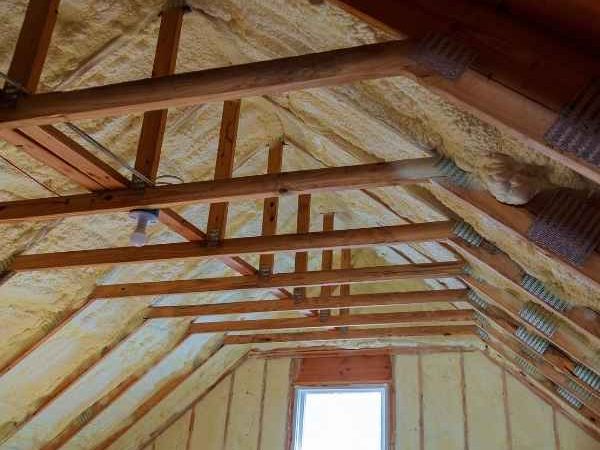
Optimal R-Values for St. Petersburg Attics
R-value recommendations vary by climate zone. St. Petersburg sits in DOE Climate Zone 2, where cooling dominates energy consumption:
Code Minimum: R-30 (Florida Building Code 6th Edition)
DOE Recommended: R-38 to R-49 for maximum cost-effectiveness
High-Performance Target: R-49 to R-60 for net-zero homes or maximum comfort
Material Depth Requirements (approximate):
- Fiberglass Blown-In (R-2.5/inch): 15 inches for R-38, 20 inches for R-49
- Cellulose Blown-In (R-3.5/inch): 11 inches for R-38, 14 inches for R-49
Achieving R-49 or higher typically requires installation over existing insulation (if in good condition) or complete removal and replacement with high-density blown-in material.
ROI Analysis: Upgrading from R-11 to R-38 costs approximately $1.50-$2.50 per square foot installed. For a 1,500 sq ft attic, total investment ranges from $2,250-$3,750. With annual cooling cost reduction of $350-$600, payback period falls between 4-7 years, followed by decades of continued savings.
Attic Air Sealing Before Insulation Installation
Air sealing represents the critical first step before installing blow in attic insulation. The Department of Energy estimates that 25-40% of heating and cooling energy escapes through air leakage in typical homes. Even with adequate insulation, unchecked air leaks dramatically reduce effectiveness.
Common air leakage points in St. Petersburg attics include:
Top Plate Penetrations: Gaps where interior walls meet the attic floor (top plates) allow significant air escape. We seal these with expanding foam insulation or caulk.
Recessed Lighting Fixtures: Non-IC rated recessed lights leak conditioned air into attics. We install IC-rated airtight covers before insulating.
Attic Hatches and Pull-Down Stairs: These large openings need weatherstripping and insulated covers to prevent air leakage and heat transfer.
Plumbing and Electrical Penetrations: Pipes, wires, and ducts penetrating the ceiling need sealed with appropriate materials (fire-rated caulk around electrical, expanding foam around plumbing).
Bathroom and Kitchen Exhaust Fans: Unsealed or improperly vented fans leak air. We verify exhaust fans vent to exterior, not into attic space, and seal around housings.
HVAC Ductwork in Attics: Leaky ducts waste 20-30% of conditioned air. While not strictly “air sealing,” we identify duct leakage and recommend professional duct sealing.
Professional air sealing before insulation installation can improve overall thermal performance by 15-25% compared to insulation alone.
Get Free Attic Inspection – Identify Energy Losses
Blow In Wall Insulation Services
Many St. Petersburg homes built before 1980 have little or no wall insulation—a significant source of energy waste and comfort problems. Blow in wall insulation provides an effective retrofit solution that dramatically improves thermal performance without the cost and disruption of removing and replacing drywall.
Wall insulation proves particularly important in:
- West-facing walls exposed to intense afternoon sun
- Bedrooms where temperature consistency impacts sleep quality
- Home offices where comfort affects productivity
- Bonus rooms above garages (double benefit: insulated walls and ceiling)
- Historic homes where original construction included no cavity insulation
The Florida Solar Energy Center found that adding wall insulation to previously uninsulated homes reduced cooling energy consumption by 8-12% in test homes across Central and South Florida climates similar to St. Petersburg’s.
Retrofit Wall Insulation Without Major Renovation
Traditional wall insulation installation requires removing interior drywall or exterior siding—expensive, time-consuming, and disruptive. Our blow in wall insulation service uses dense-pack installation techniques that require only small access holes:
Interior Installation Method:
- Small holes (typically 2-3 inches diameter) are drilled near the ceiling line in each stud bay
- A specialized fill tube with adjustable nozzle is inserted into each cavity
- Cellulose or fiberglass insulation is blown into the cavity at high pressure (dense-pack technique)
- Material density reaches 3.5-4.0 lbs per cubic foot, completely filling the cavity
- Access holes are plugged, sanded smooth, and painted to match existing walls
Exterior Installation Method (alternative for homes with accessible exterior):
- Individual vinyl siding planks or wood siding sections are temporarily removed at strategic heights
- Access holes are drilled through exterior sheathing
- Dense-pack insulation fills cavities from exterior
- Holes are sealed and siding reinstalled
- No interior disruption or painting required
Dense-pack installation achieves R-13 to R-15 in standard 2×4 walls (3.5-inch cavity) and R-20 to R-23 in 2×6 walls (5.5-inch cavity), meeting or exceeding code requirements.
Installation typically takes 1-2 days for an average home, with minimal disruption. Interior access holes can be patched and painted within hours, and homeowners can often remain in the home during installation.
Exterior vs. Interior Wall Insulation Application
Choosing between exterior and interior access depends on several factors:
Interior Access Advantages:
- Works for all siding types (stucco, brick veneer, concrete block)
- No weather dependency (can install year-round)
- Direct verification of cavity filling
- Lower risk of siding damage
Interior Access Considerations:
- Requires patching and painting access holes
- Need to relocate furniture and wall hangings temporarily
- May require matching existing wall texture
Exterior Access Advantages:
- No interior painting required
- No furniture movement needed
- Occupants experience minimal disruption
- Ideal when exterior painting scheduled
Exterior Access Considerations:
- Works best with vinyl or wood siding (difficult with stucco or brick)
- Weather-dependent installation
- Requires careful siding removal and reinstallation
- May reveal underlying siding issues requiring repair
For most St. Petersburg homes with stucco exteriors (extremely common in Florida), interior access proves most practical. For homes with vinyl siding due for exterior painting, exterior access may offer advantages.
Discuss Wall Insulation Options – Free Consultation
Blow In Fiberglass Insulation vs. Cellulose: Which Is Right for You?
Choosing between blow in fiberglass insulation and cellulose significantly impacts your project’s performance, longevity, and cost-effectiveness. Both materials deliver excellent thermal performance when properly installed, but distinct characteristics make each ideal for specific applications.
Fiberglass Insulation Benefits and Applications
Blown-in fiberglass insulation (often called “loose-fill fiberglass”) consists of fine glass fibers manufactured from recycled glass, sand, and other natural materials. Leading products include Owens Corning AttiCat, Johns Manville Climate Pro, and CertainTeed InsulSafe.
Performance Characteristics:
- R-Value: R-2.2 to R-2.7 per inch (varies by density and product)
- Settling: Less than 1% over product lifetime
- Fire Resistance: Class A fire rating (non-combustible)
- Moisture Resistance: Does not absorb water; dries quickly if wet
- Weight: Lighter than cellulose (approximately 0.5-0.8 lbs per cubic foot installed)
- Lifespan: 80+ years with minimal degradation
- Sound Dampening: Good (NRC rating approximately 0.8-1.0)
Ideal Applications:
- Primary Attic Insulation: Excellent for St. Petersburg’s hot, humid climate where moisture resistance matters
- Homes with Roof Leak History: Fiberglass tolerates occasional moisture better than cellulose
- Fire Safety Priority: Non-combustible material provides maximum fire protection
- Maximum Longevity: Minimal settling means R-value maintenance for decades
- Homes with Dust Sensitivities: Enclosed glass fibers less prone to creating airborne dust than cellulose
Fiberglass Installation Considerations: Professional installation requires proper protective equipment (respirators, eye protection, skin coverage) due to fine fiber particles. Our technicians follow strict safety protocols and post-installation cleanup procedures to prevent fiber migration into living spaces.
Fiberglass performs best when installed at manufacturer-specified densities. Over-compressing reduces R-value per inch, while under-density installation may settle slightly. We calibrate equipment to achieve optimal density for specified R-values.
Cellulose Insulation for Eco-Conscious Homeowners
Cellulose insulation consists of recycled paper products (typically newsprint) treated with borate compounds for fire and pest resistance. Leading brands include GreenFiber, Nu-Wool, and Applegate Insulation.
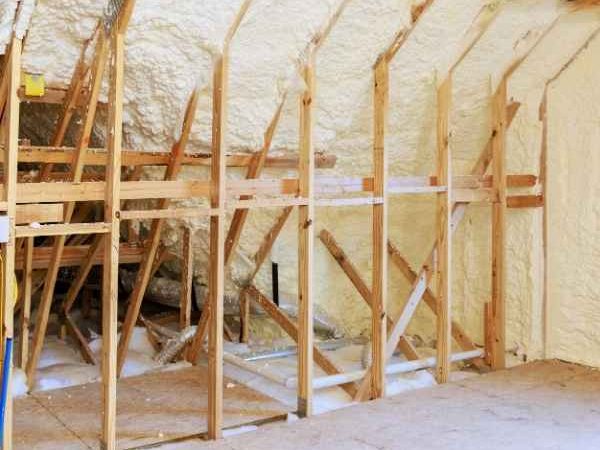
Performance Characteristics:
- R-Value: R-3.2 to R-3.8 per inch (varies by density and installation method)
- Settling: 15-20% over first 3-5 years (manufacturers account for this in installation specifications)
- Fire Resistance: Class 1 fire rating with borate treatment
- Moisture Resistance: Absorbs and releases moisture (requires good ventilation)
- Weight: Heavier than fiberglass (approximately 1.5-2.0 lbs per cubic foot installed)
- Lifespan: 60+ years with proper installation and ventilation
- Sound Dampening: Excellent (NRC rating approximately 1.2-1.4, roughly 60% better than fiberglass)
- Recycled Content: 75-85% post-consumer recycled material
Ideal Applications:
- Dense-Pack Wall Insulation: Superior performance in retrofit wall applications
- Sound Control Priority: Excellent for homes near busy roads, airports, or between attached units
- Environmental Sustainability: Highest recycled content of common insulation materials
- Historic Home Retrofits: Dense-pack cellulose effectively insulates irregular cavities common in older construction
- Pest Prevention: Borate treatment naturally deters insects and rodents
Cellulose Installation Considerations: Dense-pack wall installation requires specialized equipment and experienced technicians to achieve proper density (3.5-4.0 lbs per cubic foot) without over-packing that stresses wall cavities. Improper installation can cause wall bowing or drywall cracking.
Cellulose requires adequate attic ventilation to manage moisture absorption and release cycles. In St. Petersburg’s humid climate, proper ventilation becomes critical for cellulose longevity. We calculate and verify ventilation adequacy before recommending cellulose.
Comparison Chart: Materials and Performance
Characteristic | Blown Fiberglass | Blown Cellulose |
R-Value per inch | R-2.2 to R-2.7 | R-3.2 to R-3.8 |
Settling Rate | <1% lifetime | 15-20% (first 3-5 years) |
Fire Rating | Class A (non-combustible) | Class 1 (treated) |
Moisture Tolerance | Excellent (non-absorbing) | Good (with ventilation) |
Sound Dampening | Good (NRC 0.8-1.0) | Excellent (NRC 1.2-1.4) |
Recycled Content | 20-40% | 75-85% |
Weight (lbs/cu ft) | 0.5-0.8 | 1.5-2.0 |
Installation Dust | Moderate | Low to Moderate |
Pest Resistance | Moderate | Excellent (borate treated) |
Typical Cost | $$ | $ to $$ |
Best Applications | Attics, moisture-prone areas | Walls, sound control, eco-priority |
Our Professional Recommendation:
For attic applications in St. Petersburg, we typically recommend blown fiberglass due to superior moisture resistance and minimal settling—critical factors in Florida’s humid climate. Fiberglass maintains R-value indefinitely and tolerates occasional roof leak moisture better than cellulose.
For wall cavity applications, we recommend dense-pack cellulose due to higher R-value per inch (maximizes performance in limited cavity depth), superior sound dampening, and excellent cavity-filling characteristics in retrofit applications.
For maximum sustainability, cellulose’s recycled content (75-85%) significantly exceeds fiberglass (20-40%), making it the preferred choice for eco-conscious homeowners.
For homes with documented roof leak history or inadequate ventilation, fiberglass proves more forgiving of moisture exposure.
Get Material Recommendation for Your Home – Free Analysis
Why Value Air and Heat Is Your Trusted Blow In Insulation Contractor
When you’re investing thousands of dollars in home improvements, choosing the right blow in insulation contractors determines whether you achieve promised energy savings and comfort improvements. Value Air and Heat brings specialized expertise, quality materials, and proven installation processes that lesser-experienced contractors simply cannot match.
Certified Installation Technicians
Our insulation installation team includes:
BPI-Certified Building Analysts: Building Performance Institute certification ensures our technicians understand building science principles—how air movement, moisture management, and thermal dynamics interact to affect home performance. This knowledge prevents common mistakes that compromise insulation effectiveness.
Manufacturer-Certified Installers: We maintain certifications from Owens Corning, Johns Manville, and other leading manufacturers. These certifications require ongoing training and adherence to installation standards that protect manufacturer warranties.
OSHA Safety Trained: All technicians complete OSHA safety training specific to insulation installation, confined space work, and respiratory protection. Your family’s safety and our crew’s wellbeing are paramount.
Continuous Education: Building codes, materials, and techniques evolve. Our team participates in annual training to stay current with Florida Building Code updates, new products, and installation best practices.
Quality Materials from Leading Manufacturers
We install only premium products from industry-leading manufacturers:
Owens Corning: AttiCat blown-in fiberglass insulation backed by 70+ years of insulation manufacturing expertise. Owens Corning’s System Thinking approach optimizes insulation, ventilation, and air sealing for maximum performance.
Johns Manville: Climate Pro blown-in fiberglass and formaldehyde-free products for health-conscious homeowners. JM’s 160+ year history in building materials ensures proven product performance.
GreenFiber: Stabilized cellulose insulation made from recycled paper with borate fire and pest treatment. GreenFiber pioneered cellulose insulation manufacturing and maintains the highest quality standards.
CertainTeed: InsulSafe SP fiberglass insulation designed specifically for hot climates. CertainTeed’s residential insulation products come with limited lifetime warranties when properly installed.
All materials comply with Florida Building Code requirements, carry appropriate fire ratings, and include manufacturer warranties that we document and provide to homeowners.
Comprehensive Service Area Coverage
Value Air and Heat proudly serves St. Petersburg and throughout Pinellas County, including:
- St. Petersburg (all neighborhoods: Old Northeast, Allendale, Woodlawn, Snell Isle, Historic Kenwood, Coquina Key, Shore Acres, Lakewood Estates, Greater Pinellas Point, Venetian Isles, South Central Downtown and more)
- Clearwater and Clearwater Beach
- Largo, Seminole, Pinellas Park
- Gulfport, Treasure Island, St. Pete Beach
- Tierra Verde, Bay Pines, Kenneth City
- Tarpon Springs, Dunedin, Safety Harbor
- Madeira Beach, Redington Beach, Indian Rocks Beach
Our local presence means:
- Fast Response Times: We schedule consultations within 48-72 hours
- Local Code Expertise: Deep familiarity with Pinellas County building codes and permit requirements
- Climate Knowledge: Understanding of St. Petersburg’s specific weather patterns, humidity challenges, and coastal considerations
- Established Relationships: Connections with local suppliers ensure material availability and competitive pricing
- Community Commitment: We live and work in the communities we serve
The Value Air and Heat Blow-In Insulation Installation Process
Our systematic approach ensures every blow in insulation service delivers maximum performance and long-term value:
Free In-Home Energy Assessment
Every project begins with a comprehensive energy assessment:
Visual Attic Inspection: We document existing insulation type, depth, condition, and identify damage, compression, or contamination. Photos provide baseline documentation.
Thermal Imaging (available upon request): Infrared cameras reveal hidden air leakage, insulation gaps, and thermal bridging invisible to the naked eye. This technology identifies specific problem areas for targeted solutions.
Air Leakage Identification: We locate gaps, cracks, and penetrations where conditioned air escapes. Common culprits include recessed lights, plumbing penetrations, attic hatches, and electrical wiring holes.
Ventilation Assessment: Calculating soffit intake and ridge/gable exhaust vent area ensures your attic ventilation meets code requirements (1:150 or 1:300 ratio depending on vapor barrier presence). Inadequate ventilation causes moisture problems and premature insulation degradation.
R-Value Measurement: Using depth gauges and insulation type identification, we calculate existing R-values and compare them to recommended levels for St. Petersburg’s Climate Zone 2 (R-38 to R-49 for attics).
Moisture and Mold Assessment: We look for evidence of roof leaks, condensation staining, mold growth, or wood rot that must be addressed before insulation installation.
HVAC Ductwork Evaluation: Noting duct location, insulation condition, and visible air leakage helps identify additional energy waste opportunities.
At assessment conclusion, you receive:
- Current estimated R-values
- Recommended insulation upgrade specifications
- Air sealing priorities
- Ventilation adequacy evaluation
- Estimated energy savings potential
- Transparent project investment estimate
Customized Insulation Plan
Based on assessment findings, we develop a project plan tailored to your home and budget:
Material Selection: We recommend fiberglass or cellulose based on your priorities (moisture resistance, sound control, environmental sustainability, budget) and specific application (attic vs. walls).
Target R-Values: For attics, we typically recommend R-38 to R-49. For walls, we target R-13 to R-15 in 2×4 cavities or R-20+ in 2×6 cavities.
Preparation Requirements: We detail necessary air sealing work, ventilation improvements, recessed light covers, insulation dams, and any remediation (old insulation removal, roof leak repair) required before insulation installation.
Installation Schedule: Most attic projects complete in one day; wall insulation may require 1-2 days depending on home size.
Investment and ROI: We provide itemized investment breakdown and calculate estimated energy savings and payback period based on your current utility costs.
Warranty and Documentation: All projects include workmanship warranty and manufacturer material warranties. We document installation with photos for future reference.
Professional Installation
Installation day proceeds systematically:
Site Protection: We lay protective coverings on floors and furniture below access routes. HEPA-filtered vacuums contain dust during drilling operations.
Air Sealing: Before insulation installation, we seal identified air leakage points with appropriate materials (expanding foam, caulk, weatherstripping). This critical step ensures insulation performance.
Ventilation Enhancement: We install rafter baffles at each soffit vent location to maintain airflow pathways after insulation covers soffit areas. Additional vents are installed if assessment revealed inadequacy.
Equipment Setup: Industrial insulation blowing machines are positioned outside or in garages. Hoses route into attics or through wall access holes.
Installation: Technicians apply insulation systematically to achieve specified depths and densities. Depth markers verify R-value achievement throughout the area.
Quality Checks: During installation, we verify consistent coverage, proper density, maintained ventilation clearances, and complete filling of irregular spaces.
Cleanup: We remove all debris, vacuum work areas, and leave your home cleaner than we found it. Insulation blowing creates minimal dust when properly executed, but we HEPA-vacuum all accessible surfaces.
Access Hole Repair (for wall installations): Holes are plugged, sanded smooth, and primed. We provide paint color-match guidance or can arrange professional painting.
Post-Installation Verification
Before we consider a project complete:
Depth Verification: We measure installed insulation depth at multiple locations and compare to calculations that should achieve specified R-values.
Photo Documentation: Before and after photos document completed work for your records and future home sale disclosures.
Ventilation Airflow Check: We verify adequate airflow remains at soffit intakes and ridge vents.
Homeowner Walkthrough: We review completed work, explain maintenance requirements (essentially none—quality blown-in insulation requires no maintenance), and answer questions.
Warranty Registration: We provide manufacturer warranty information and workmanship warranty details in writing.
Energy Savings Guidance: We encourage homeowners to note current utility bills for comparison over coming months to track actual savings.
Follow-up: We contact you 30 days post-installation to ensure satisfaction and address any questions or concerns.
Begin Your Energy Savings Journey – Schedule Free Assessment]
Frequently Asked Questions About Blow In Insulation Services
How long does blow-in insulation installation take?
Most attic insulation projects complete in 3-6 hours for average-sized homes (1,500-2,000 square feet). Larger homes or those requiring extensive preparation work (air sealing, old insulation removal, ventilation improvements) may require a full day.
Wall insulation projects typically take 1-2 days depending on the number of walls insulated and access method (interior vs. exterior). Interior access requires patching and painting access holes, adding time for drying and finishing.
Factors affecting project duration include:
- Attic access quality (large hatches vs. small scuttle holes)
- Existing insulation condition (removal required?)
- Complexity of air sealing requirements
- Number of obstacles (HVAC equipment, storage items)
- Weather conditions (for exterior wall access)
We schedule projects to minimize disruption and can often accommodate homeowners who work from home by coordinating noisy operations around meeting schedules.
Will blown-in insulation settle over time?
Settling depends on the material:
Fiberglass blown-in insulation settles less than 1% over its lifetime when installed at proper densities. This minimal settling won’t significantly impact R-value performance. Owens Corning and Johns Manville products maintain specified R-values for 50+ years with essentially no degradation.
Cellulose insulation settles 15-20% during the first 3-5 years as fibers compact under their own weight. Manufacturers account for this in installation specifications—we install 20% additional depth initially so post-settling depth achieves target R-values. After initial settling, cellulose remains stable for decades.
Mineral wool exhibits minimal settling (2-3%) similar to fiberglass.
Quality installation at manufacturer-specified densities prevents excessive settling. Under-density installation (attempting to stretch materials and reduce costs) leads to excessive settling and underperformance. We never compromise installation quality to reduce material costs.
Can blow-in insulation be installed over existing insulation?
Yes, in most cases, adding blown-in insulation over existing material provides an effective and economical upgrade—provided the existing insulation meets certain conditions:
Good Candidates for Top-Up Installation:
- Existing insulation is dry and free from moisture damage
- No mold, pest contamination, or unpleasant odors present
- Existing insulation maintains some loft (not severely compressed)
- No major air leakage issues (or we seal before adding new material)
- Adequate attic ventilation exists
When Removal Is Recommended:
- Existing insulation is wet, moldy, or contaminated
- Severe compression has reduced R-value by 50% or more
- Pest droppings or urine odor contamination exists
- Inadequate ventilation has caused deterioration
- Pre-1980s insulation may contain asbestos (testing and professional removal required)
Adding blown-in insulation over existing batts or blown-in material often proves more cost-effective than complete removal and replacement. We assess existing conditions during the free energy assessment and recommend the most appropriate approach for your specific situation.
Is blow-in insulation safe for my family?
Yes, properly installed blown-in insulation is completely safe:
Fiberglass Insulation Safety: Modern fiberglass insulation is non-toxic and non-combustible. While installation creates airborne glass fibers (requiring installer respiratory protection), properly installed attic insulation remains contained above the ceiling. Fiberglass doesn’t off-gas chemicals and doesn’t support mold growth. It’s been used safely in millions of homes for over 70 years.
Cellulose Insulation Safety: Cellulose is manufactured from recycled paper treated with borate compounds. Borates are natural minerals used as a fire retardant and pest deterrent. They have very low toxicity (similar to table salt) and are safe for residential use. The EPA and CPSC extensively tested treated cellulose and approved it for indoor use.
Installation Containment: Professional installation prevents insulation migration into living spaces. We seal the attic plane, install insulation above the ceiling drywall barrier, and thoroughly clean to prevent fiber dust in living areas.
Indoor Air Quality: Properly installed insulation with adequate air sealing actually improves indoor air quality by reducing infiltration of outdoor allergens, pollutants, and humidity.
Fire Safety: Both fiberglass (non-combustible Class A rating) and treated cellulose (Class 1 fire rating) meet or exceed building code fire safety requirements. They won’t fuel fires and provide additional fire protection to your home.
Millions of homes across the United States have blown-in insulation with excellent safety records. Professional installation following manufacturer guidelines ensures safe, effective performance.
How much can I save on energy bills with new insulation?
Energy savings depend on multiple factors, but St. Petersburg homeowners typically see significant reductions:
Typical Savings Ranges:
- Upgrading from R-11 to R-38 attic insulation: 15-30% cooling cost reduction
- Adding wall insulation to previously uninsulated walls: 8-12% additional savings
- Combined attic and wall upgrades: 25-40% total HVAC energy reduction
Calculating Your Savings: If your current annual cooling costs are $1,800 (typical for a 1,800 sq ft home with R-11 attic insulation), upgrading to R-38 could save $270-$540 annually (15-30% reduction). Over 25 years, that totals $6,750-$13,500 in savings—far exceeding typical installation investment of $2,500-$4,000.
Factors Affecting Your Savings:
- Current insulation R-values (lower starting R-values = greater savings potential)
- Home size and ceiling area
- Current HVAC system efficiency
- Thermostat settings and usage patterns
- Air sealing quality combined with insulation
- Window quality and solar heat gain
- Home orientation and shading
Beyond Energy Bills: Additional financial benefits include:
- Extended HVAC equipment lifespan (15-25% longer)
- Reduced AC maintenance and repair costs
- Increased home resale value
- Potential utility company rebates (we help identify available programs)
We provide customized savings estimates during your free assessment based on your home’s current conditions and local utility rates.
Does blown-in insulation help with noise reduction?
Yes, particularly cellulose insulation provides excellent sound dampening:
Cellulose Performance: Dense-pack cellulose reduces airborne sound transmission by approximately 60% compared to uninsulated spaces. It absorbs sound energy across a wide frequency range, making it highly effective for:
- Traffic and neighborhood noise reduction
- Aircraft noise dampening (important for homes near St. Pete-Clearwater Airport)
- Reducing sound transfer between rooms
- Minimizing HVAC equipment noise
- Creating quieter living environments
Fiberglass Performance: Blown-in fiberglass also provides sound dampening, though typically 30-40% less effective than cellulose. It remains far superior to no insulation or thin batt insulation.
Wall Insulation for Sound Control: Adding blown-in insulation to interior walls dramatically reduces sound transmission between bedrooms, from bathrooms, or from home offices. This proves particularly valuable in:
- Master bedroom walls for better sleep quality
- Home office walls for quieter video calls
- Media room walls to contain sound
- Walls separating living spaces in multi-generational homes
Sound Transmission Class (STC) Ratings:
- Uninsulated 2×4 wall with drywall: STC 33-35
- Same wall with fiberglass batt insulation: STC 39-42
- Same wall with dense-pack cellulose: STC 44-48
Higher STC numbers indicate better sound blocking. Even modest improvements make noticeable differences in perceived noise levels.
If noise control is a priority, we recommend dense-pack cellulose for wall applications and can include interior walls in your insulation project specifically for sound dampening.
What R-value do I need for my St. Petersburg home?
Recommended R-values for St. Petersburg (DOE Climate Zone 2) are:
Attic/Ceiling Insulation:
- Minimum (Code): R-30
- Recommended: R-38 to R-49
- High-Performance: R-49 to R-60
Wall Insulation:
- Minimum (Code): R-13
- Recommended: R-13 to R-15 (2×4 walls), R-19 to R-21 (2×6 walls)
Floors Over Unheated Spaces:
- Minimum (Code): R-13
- Recommended: R-19 to R-25
Foundation Walls (if applicable):
- Recommended: R-10 to R-15
Current Conditions Check: During our free assessment, we measure your current R-values and identify specific upgrade opportunities. Many St. Petersburg homes built before 1990 have only R-11 to R-19 attic insulation—far below optimal levels for Florida’s climate.
ROI Optimization: While R-49 provides better performance than R-38, the incremental cost must be weighed against incremental savings. For most St. Petersburg homes, R-38 to R-44 hits the “sweet spot” of maximum ROI. We calculate specific recommendations based on your home’s characteristics and your energy usage patterns.
How do I maintain blow-in insulation?
One of blown-in insulation’s major advantages is that it requires virtually no maintenance:
Annual Checks:
- Visually inspect attic insulation depth once yearly (ensure no major settling or disturbance)
- Verify attic ventilation remains unobstructed
- Check for signs of roof leaks (staining, moisture)
- Ensure insulation hasn’t been disturbed by storage activities or HVAC service
What to Avoid:
- Don’t compress insulation by storing heavy items directly on it
- Don’t block soffit vents with insulation (maintain ventilation)
- Don’t install recessed lights without proper IC-rated covers
- Don’t allow pest infestations (address wildlife intrusions immediately)
When to Call Professionals:
- After roof leaks (assess moisture damage)
- Following pest infestations (may require remediation)
- If you notice sudden energy bill increases (indicating possible insulation or HVAC issues)
- Before major renovations that might disturb attic insulation
Longevity Expectations: Properly installed blown-in insulation lasts 20-30+ years with minimal degradation. Fiberglass maintains R-value essentially indefinitely. Cellulose may experience slight additional settling after 10-15 years but remains effective for decades.
Unlike other home systems requiring regular servicing (HVAC, plumbing, roofing), insulation is a “set it and forget it” investment that provides decades of maintenance-free performance.
Can you install blow-in insulation in walls without removing drywall?
Yes, our dense-pack wall insulation service installs blown-in material without drywall removal:
Interior Access Method:
- We drill 2-3 inch diameter access holes near the ceiling in each stud bay
- Specialized fill tubes inject insulation under pressure into the cavity
- Dense-pack technique completely fills the space to 3.5-4.0 lbs per cubic foot
- Access holes are plugged, sanded, and ready for painting
- Entire process typically completes in 1-2 days
Minimal Disruption:
- No drywall demolition or replacement
- No major construction mess
- Furniture movement minimal (only away from walls being insulated)
- Homeowners often remain in residence during installation
- Access holes easily patched and painted
Exterior Access Alternative: For homes with vinyl or wood siding, we can access wall cavities from outside by temporarily removing siding sections, drilling through sheathing, and dense-packing cavities with no interior disruption whatsoever.
Limitations: Dense-pack installation works for:
- Standard wood-frame construction with hollow stud cavities
- Walls without existing insulation or minimal loose insulation
- Homes with accessible wall cavities (not blocked by fireblocking or odd framing)
It does not work for:
- Concrete block walls (require different insulation approaches)
- Walls already filled with spray foam insulation or batts (removal required first)
- Homes with structural issues that make wall access unsafe
During our assessment, we evaluate your home’s wall construction and recommend the most appropriate approach for adding insulation with minimal disruption.
Do you offer warranties on insulation installation?
Yes, comprehensive warranties protect your investment:
Value Air and Heat Workmanship Warranty:
- Coverage: 5-year warranty on installation labor
- Includes: Proper material installation, air sealing work, ventilation installation, depth/density achievement
- Protection: If installation defects cause performance issues, we correct them at no charge
Manufacturer Material Warranties:
- Owens Corning: Limited lifetime warranty on AttiCat fiberglass insulation
- Johns Manville: Limited lifetime warranty on Climate Pro insulation
- GreenFiber: Limited lifetime warranty on cellulose insulation products
- CertainTeed: Limited lifetime warranty on InsulSafe products
Warranty Requirements: Warranties remain valid when:
- Installation performed by certified installers (we maintain all certifications)
- Proper ventilation maintained (we verify adequacy and install improvements if needed)
- Materials installed at manufacturer-specified densities and depths
- Documentation provided (we photograph completed work for warranty records)
What’s Covered:
- Material defects or degradation
- Workmanship errors affecting performance
- Settlement exceeding manufacturer specifications
- Fire or pest resistance failure
What’s Not Covered:
- Damage from roof leaks or moisture intrusion (address roof issues first)
- Disturbance from renovations or homeowner activities
- Pest damage from inadequately addressed wildlife intrusions
- Normal wear from proper use over product lifetime
We document all warranty information and provide written copies at project completion. Should issues arise, we work directly with manufacturers to resolve claims quickly.
Get Warranty-Backed Installation – Schedule Consultation
Schedule Your Free Blow In Insulation Estimate in St. Petersburg
Don’t let another summer pass with sky-high cooling bills and uncomfortable living spaces. Value Air and Heat’s blow in insulation services deliver proven energy savings, enhanced comfort, and long-term value for St. Petersburg homeowners.
What You'll Get with Your Free Assessment
✓ Comprehensive Energy Evaluation: Thermal imaging, existing R-value measurements, air leakage identification
✓ Customized Recommendations: Material selection, target R-values, preparation requirements
✓ Transparent Investment Estimate: Itemized pricing with no hidden fees
✓ Projected Energy Savings: ROI calculation based on your current utility costs
✓ No-Obligation Consultation: Receive professional guidance with zero pressure to commit
Service Area Confirmation: Serving all of St. Petersburg and Pinellas County including Clearwater, Largo, Seminole, Gulfport, Treasure Island, St. Pete Beach, and surrounding communities
Why Schedule Now:
Summer Heat Is Coming: St. Petersburg temperatures climb rapidly in late spring. Upgrading insulation before peak cooling season maximizes first-year savings.
Fast Scheduling: Most assessments scheduled within 48-72 hours of initial contact.
Proven Local Expertise: Over 15 years serving Pinellas County homeowners with thousands of successful installations.
Quality Assurance: Licensed, insured, certified technicians using premium materials from leading manufacturers.
Satisfaction Guarantee: We’re not satisfied until you’re completely satisfied with your improved home comfort and energy savings.
- 727-418-3211
- ST. PETERSBURG, FL
- OPEN 24 / 7