
- 5-STAR RATED BY OUR CUSTOMERS
- SATISFACTION GUARANTEED
HOME AC DUCT REPLACEMENT ST. PETERSBURG
Residential AC Duct Replacement in St. Petersburg, FL
- Locally Owned and Operated
- 20 Years of Experience
- Fully Insured & Licensed
- 100% Satisfaction Guarantee
Professional AC Air Duct Replacement Services
AC duct replacement is a critical home improvement service that directly impacts your comfort, energy bills, and indoor air quality. When your home’s ductwork deteriorates, develops leaks, or becomes outdated, replacing AC ducts becomes essential for maintaining an efficient and healthy heating and cooling system. Value Air and Heat specializes in professional ac duct replacement throughout St. Petersburg, FL, delivering expert installation that restores optimal airflow and system performance.
Your home’s ductwork serves as the circulatory system for your AC unit, distributing conditioned air to every room. Over time, ducts can develop cracks, holes, poor connections, and insulation damage that compromise their effectiveness. Many St. Petersburg homeowners experience higher energy bills, inconsistent temperatures, and poor air quality without realizing their ductwork is the culprit. Professional air duct replacement addresses these issues at their source, providing long-term solutions that improve comfort while reducing operating costs.
At Value Air and Heat, our certified technicians bring decades of combined experience in replacing AC ducts for residential properties throughout Pinellas County. We use industry-leading materials, precise installation techniques, and thorough testing protocols to ensure your new duct system performs at peak efficiency. Whether you’re dealing with damaged flex duct in your attic, corroded metal ducts in your crawlspace, or poorly designed ductwork from an older installation, our team provides comprehensive solutions tailored to your home’s specific needs.
Why Choose Value Air and Heat for Duct Replacement
Selecting the right contractor for AC duct replacement near you requires evaluating expertise, reputation, and commitment to quality workmanship. Value Air and Heat stands out in the St. Petersburg market through our dedication to transparent communication, detailed inspections, and installation services that exceed industry standards. Our technicians hold NATE certifications and undergo continuous training on the latest duct design principles and installation best practices.
We begin every duct replacement project with a comprehensive assessment of your existing system, using diagnostic tools like duct blasters and thermal imaging cameras to identify all problem areas. This thorough approach ensures we address not just visible damage but also hidden issues that affect system performance. Our detailed proposals outline the scope of work, materials specifications, and project timeline, so you understand exactly what to expect throughout the process.
Customer satisfaction drives our business, as evidenced by our A+ Better Business Bureau rating and extensive portfolio of five-star reviews from St. Petersburg homeowners. We maintain full licensing and insurance, provide written warranties on all installations, and stand behind our work with responsive follow-up service. When you choose Value Air and Heat for ac duct replacement, you’re partnering with a local company that prioritizes your comfort, efficiency, and peace of mind.
Service Areas in St. Petersburg Fl and Surrounding Communities
Value Air and Heat proudly serves St. Petersburg and the broader Pinellas County area with expert AC duct replacement services. Our service territory includes Downtown St. Petersburg, Old Northeast, Kenwood, Historic Uptown, Shore Acres, Snell Isle, Tierra Verde, and surrounding neighborhoods. We also provide duct replacement in nearby communities including Clearwater, Largo, Seminole, Pinellas Park, Gulfport, South Pasadena, and Treasure Island.
Our local presence means faster response times, familiarity with regional building codes, and understanding of climate-specific challenges that affect ductwork in Florida’s humid subtropical environment. We maintain a fleet of fully equipped service vehicles and adequate inventory to handle projects of any size efficiently. Whether you own a single-family home, townhouse, or multi-unit property, our team brings the expertise and resources necessary for successful duct system replacement.
Signs You Need AC Duct Replacement
Recognizing when replacing AC ducts becomes necessary helps prevent energy waste, comfort problems, and potential health hazards. While some warning signs are obvious, others require professional inspection to detect. Understanding these indicators empowers you to make informed decisions about your home’s HVAC infrastructure.
Visible Damage and Deterioration
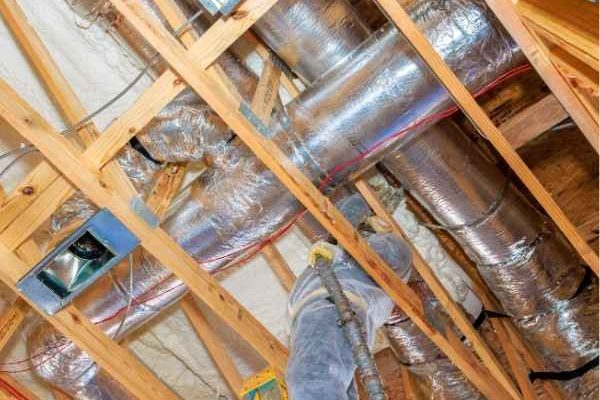
Physical damage represents the most apparent sign that AC air duct replacement should be considered. During routine filter changes or attic inspections, look for disconnected sections where ducts have separated at joints, allowing conditioned air to escape into unconditioned spaces. Holes, tears, and punctures in flexible ductwork frequently occur in attics where rodents, insects, or accidental contact during storage activities compromise duct integrity.
Corrosion affects metal ductwork, particularly in Florida’s humid climate where condensation can accumulate on cold duct surfaces. Rust, deteriorating seams, and thinning metal all indicate advanced deterioration that compromises air quality and system efficiency. Crushed or kinked flex duct in tight spaces restricts airflow, forcing your HVAC system to work harder and increasing wear on components.
Sagging ductwork resulting from inadequate support or moisture-damaged insulation creates low spots where debris accumulates and mold can develop. These structural problems typically require complete replacement rather than repair, especially when multiple sections show deterioration. Professional inspection with cameras and diagnostic equipment reveals hidden damage in walls, crawlspaces, and other inaccessible areas where visual assessment isn’t possible.
Energy Efficiency Problems
Escalating utility bills often signal ductwork problems that waste conditioned air and overwork your HVAC system. When ducts develop leaks, they can lose 20-40% of heated or cooled air before it reaches living spaces, according to the U.S. Department of Energy. This waste directly translates to higher energy consumption as your system runs longer cycles to maintain desired temperatures.
Systems with damaged ductwork experience reduced airflow at registers, creating noticeable differences in air pressure between rooms. Some areas receive excessive airflow while others receive insufficient conditioning, resulting in hot and cold spots throughout your home. These temperature inconsistencies force occupants to constantly adjust thermostats, further increasing energy usage.
Excessive dust accumulation on surfaces despite regular cleaning indicates duct leaks pulling unfiltered air from attics, crawlspaces, or wall cavities. This infiltration not only wastes energy but also introduces contaminants that degrade indoor air quality. Modern duct replacement with properly sealed and insulated systems typically reduces energy consumption by 20-30%, making it a valuable investment in long-term efficiency.
Indoor Air Quality Issues
Your ductwork directly impacts the air you breathe inside your home. When ducts develop leaks or damage, they can draw in allergens, dust, mold spores, and other contaminants from unconditioned spaces. Family members experiencing increased respiratory symptoms, allergy flare-ups, or asthma attacks may be reacting to compromised duct systems distributing poor-quality air throughout the home.
Musty odors emanating from vents suggest mold or mildew growth inside ductwork, particularly common in Florida’s humid environment where condensation provides moisture for biological growth. Insulation breakdown exposes fiberglass particles that can become airborne and circulate through your living spaces. These air quality concerns require professional attention, often necessitating complete duct replacement to eliminate contamination sources.
Visible mold growth around registers or inside accessible duct sections indicates serious problems requiring immediate action. While duct cleaning might address surface contamination, underlying moisture problems and damaged duct materials typically require replacement to prevent recurrence. Professional hvac duct replacement with properly insulated, sealed systems includes moisture control measures that prevent future mold development.
Age and Outdated Ductwork Materials
Ductwork installed more than 15-20 years ago likely uses outdated materials and design standards that compromise performance by today’s efficiency expectations. Older flex duct deteriorates over time, with inner liners separating, insulation degrading, and outer jackets cracking. Metal ducts from this era often lack adequate sealing, insulation, or proper sizing based on modern Manual D calculations.
Many older St. Petersburg homes feature undersized ductwork that restricts airflow, creating velocity noise, reduced comfort, and increased wear on HVAC equipment. These systems were designed for less efficient HVAC units and don’t accommodate the airflow requirements of today’s high-efficiency equipment. Upgrading to properly sized, well-designed ductwork maximizes the performance of modern HVAC systems.
Asbestos-containing duct wrap, while less common in Florida than northern climates, appears in some older installations and requires professional abatement during replacement. Lead-based paint on metal ducts and outdated mastic sealants containing harmful chemicals present health concerns that justify replacement. Modern duct materials and installation methods provide superior performance, safety, and longevity compared to systems installed decades ago.
Benefits of Replacing AC Ducts
Investing in professional ac duct replacement delivers measurable improvements across multiple performance categories. Understanding these benefits helps homeowners appreciate the value of this important home improvement project and make informed decisions about timing and scope.
New ductwork installed according to current building standards and ACCA Manual D specifications significantly reduces energy waste. Properly sealed joints, adequate insulation values, and correct sizing eliminate the air leakage that plagues older systems. Testing with duct blasters confirms less than 6% leakage in new installations compared to 20-40% typical in aged systems.
Reduced air leakage means your AC equipment runs shorter cycles to maintain comfortable temperatures, decreasing wear on components and extending equipment lifespan. Systems with new ductwork typically achieve SEER and HSPF ratings closer to equipment nameplate specifications rather than the degraded performance characteristic of installations with compromised ducts. These efficiency gains compound over years of operation, providing substantial utility bill savings.
Enhanced insulation on modern ductwork prevents thermal loss in unconditioned spaces like attics where summer temperatures can exceed 140°F. This thermal protection keeps conditioned air at the proper temperature during transit from your HVAC unit to living spaces, reducing the load on your system. Strategic insulation and vapor barriers prevent condensation that wastes energy and creates moisture problems promoting mold growth.
New duct systems eliminate contamination sources that degrade the air quality in your home. Factory-manufactured components arrive clean and sealed, preventing the accumulation of dust, allergens, and biological growth common in older ductwork. Proper sealing ensures your system only circulates filtered air rather than drawing contaminants from unconditioned spaces through leaks.
Modern duct materials resist mold growth and don’t provide food sources for biological organisms. Antimicrobial treatments available on some duct insulation products provide additional protection against microbial colonization. Strategic placement of access doors facilitates future inspection and cleaning, maintaining air quality over the system’s lifespan.
Improved airflow distribution eliminates hot and cold spots, creating consistent comfort throughout your home. Properly designed duct systems balance airflow to each room based on load calculations, ensuring adequate conditioning in every space. This balanced distribution maintains even temperatures and humidity levels, eliminating the discomfort of overheated bedrooms or underheated living areas common with poorly designed ductwork.
Replacing AC ducts with properly sized and balanced systems eliminates the temperature variations that frustrate homeowners. Room-by-room Manual J load calculations inform duct sizing that delivers appropriate airflow to each space based on its specific conditioning requirements. This engineered approach replaces the guesswork common in older installations where ducts were often sized by rule-of-thumb rather than calculation.
Balanced supply and return airflow prevents pressure imbalances that cause doors to slam, drafts, and whistling sounds. Adequate return air pathways ensure your HVAC system receives sufficient airflow to operate efficiently without creating negative pressure that draws unconditioned air into your home. Proper duct design includes correctly sized and strategically placed returns throughout the home rather than relying on a single central return.
Zoning capabilities become more effective with new ductwork designed to accommodate dampers and zone controls. Multiple thermostats controlling different areas of your home provide customized comfort while reducing energy waste in unused spaces. Modern duct design facilitates these advanced comfort features that older systems can’t support effectively.
New ductwork eliminates the rattles, whistles, bangs, and pops characteristic of deteriorating duct systems. Properly supported ducts with secure connections remain quiet during operation, enhancing home comfort. Adequately sized ducts reduce air velocity, minimizing the turbulent flow that creates whistling sounds at registers and in duct runs.
Reduced system strain extends AC equipment lifespan by allowing your furnace, air conditioner, or heat pump to operate within design parameters. Restricted airflow from damaged or undersized ducts forces equipment to work harder, increasing wear on motors, compressors, and heat exchangers. Proper duct sizing maintains manufacturer-specified airflow, protecting your investment in heating and cooling equipment.
Better airflow reduces cycling frequency, allowing your system to run longer, more efficient cycles rather than short-cycling that wastes energy and stresses components. Extended cycle times improve humidity control in cooling mode, maintaining comfortable indoor conditions even during Florida’s humid summers. These operational improvements extend equipment life while reducing repair frequency and costs.
Types of HVAC Ductwork Materials
Selecting appropriate materials for hvac air duct replacement requires understanding the characteristics, applications, and performance attributes of different duct types. Professional contractors evaluate your home’s specific requirements and recommend materials that balance performance, longevity, and installation requirements.
Rigid Sheet Metal Ducts
Galvanized steel and aluminum ducts represent the most durable option for residential installations, offering lifespans exceeding 40 years when properly maintained. Sheet metal fabrication allows custom sizing and shapes that optimize airflow in challenging spaces. These rigid ducts maintain their shape under pressure, resist crushing, and provide smooth interior surfaces that minimize friction losses.
Sheet metal ducts resist mold growth, don’t harbor odors, and are easily cleaned when maintenance becomes necessary. Their non-porous surfaces don’t absorb moisture or provide food sources for biological organisms. This inherent resistance to contamination makes metal ducts ideal for homeowners with allergies or respiratory sensitivities.
Installation requires skilled fabrication and fitting, increasing labor costs compared to flexible alternatives. However, superior longevity and performance often justify the investment, particularly for main trunk lines and in accessible locations where durability is paramount. Modern sheet metal installations include properly sealed joints and adequate external insulation to maximize energy efficiency.
Flexible Ductwork (Flex Duct)
Flexible ductwork, commonly called flex duct, consists of a wire coil covered with flexible plastic and surrounded by insulation and an outer vapor barrier. These lightweight ducts install quickly, reduce labor costs, and easily navigate around obstacles in attics and crawlspaces. Flex duct excels in branch runs connecting main trunks to individual registers where rigid duct would require multiple fittings.
Modern flex duct features R-values up to R-8, providing excellent thermal insulation when properly installed. Factory-manufactured construction ensures consistent quality and eliminates field-applied insulation that can separate or deteriorate over time. UL 181 listed flex duct meets strict flammability and airflow standards required by building codes.
Proper installation techniques critically impact flex duct performance. Ducts must be pulled taut without compression, supported every 4-5 feet, and connected with draws tight around fittings. Bends should be gradual with radius equal to duct diameter to prevent airflow restriction. When installed correctly, quality flex duct performs reliably for 15-20 years, though exposed locations may require earlier replacement.
Fiberglass Duct Board
Rigid fiberglass duct board combines insulation and air barrier in a single product, fabricated into rectangular ducts using specialized cutting and taping techniques. Internal fiberglass surfaces provide inherent sound attenuation, reducing noise transmission compared to metal ducts. This characteristic makes duct board popular in applications where quiet operation is prioritized.
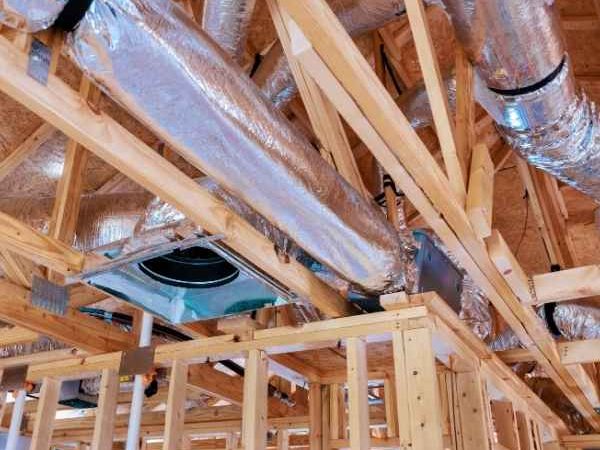
Lightweight construction and field fabrication capabilities reduce material costs and installation time compared to sheet metal. However, the porous internal surface can harbor dust and moisture if not properly sealed and maintained. Professional installation with proper mastic sealing, tape application, and external moisture protection ensures durable performance.
Duct board applications are typically limited to supply ducts in conditioned spaces where temperature differences and humidity levels remain moderate. Exposure to extreme temperatures or continuous moisture can degrade performance over time. When specified appropriately and installed by trained technicians, fiberglass duct board provides reliable service for 20-25 years.
Choosing the Right Duct Material for Your Home
Material selection for AC duct replacement depends on multiple factors including installation location, budget, performance priorities, and home construction characteristics. Professional contractors evaluate your specific situation and recommend combinations of materials that optimize performance while controlling installation complexity and investment.
Main trunk lines typically benefit from rigid sheet metal construction that provides durability, consistent sizing, and low resistance to airflow. Branch runs to individual rooms often use flex duct for installation flexibility and reduced labor requirements. Strategic material selection based on application yields systems that balance performance, longevity, and practical installation considerations.
Climate-specific factors influence material selection in Florida installations. High attic temperatures, humidity exposure, and condensation potential affect material performance differently than northern or arid climates. Professional contractors familiar with regional conditions specify materials and insulation values appropriate for St. Petersburg’s subtropical environment, ensuring optimal long-term performance.
The AC Duct Replacement Process
Understanding the AC duct replacement process helps homeowners prepare for the project and set appropriate expectations regarding timeline, disruption, and results. Professional contractors follow systematic approaches that ensure thorough work while minimizing impact on daily activities.
Initial Inspection and Assessment
Comprehensive duct replacement begins with detailed inspection of your existing system using diagnostic equipment and visual assessment. Technicians use duct blasters to measure system leakage, identifying where conditioned air escapes before reaching living spaces. Thermal imaging cameras reveal hidden problems like missing insulation, disconnected sections, and inadequate sealing invisible to the naked eye.
Airflow measurements at each register document baseline performance, providing data for system design and post-installation verification. Static pressure testing evaluates resistance in the duct system, identifying restrictions that force equipment to work harder. These diagnostic results inform recommendations about scope, materials, and design approaches that address your system’s specific issues.
Detailed documentation includes photographs, measurements, and notes about accessibility, structural considerations, and any code compliance issues requiring attention. Attic spaces, crawlspaces, walls, and mechanical rooms are inspected to understand installation challenges and logistics. This thorough assessment ensures accurate proposals without surprises during installation.
Duct System Design and Planning
Professional duct design follows ACCA Manual D procedures, using Manual J load calculations to size ducts that deliver appropriate airflow to each room. These calculations consider room volume, window area, insulation values, occupancy, and equipment characteristics to determine optimal duct sizes and layouts. Proper design eliminates the guesswork that results in undersized or oversized ducts compromising performance.
Supply and return duct layouts balance airflow throughout the home while minimizing installation complexity and material use. Strategic placement of trunk lines, branches, and returns optimizes system efficiency while accommodating architectural features and installation access. Computer-aided design software visualizes layouts and calculates friction losses, ensuring systems meet performance specifications.
Material specifications, insulation requirements, and sealing standards are documented in detailed installation plans guiding technicians through the replacement process. These plans include substrate considerations, support requirements, and clearance specifications ensuring code compliance. Homeowners receive clear explanations of the design rationale, helping them understand how new ductwork will improve comfort and efficiency.
Removal of Old Ductwork
Duct removal requires careful planning to minimize disruption and protect your home from damage and contamination. Technicians seal return air openings and take measures to prevent dust and debris from entering living spaces during demolition. Drop cloths, plastic sheeting, and containment barriers protect flooring, furniture, and stored items in attic and crawlspace areas.
Old ductwork is carefully removed section by section, preserving access pathways and avoiding damage to framing, insulation, wiring, and plumbing. Disconnected ducts are immediately sealed to prevent debris entry into AC equipment. Removed materials are collected and properly disposed of according to environmental regulations, with metal and insulation separated for recycling when possible.
Removal reveals hidden conditions like damaged insulation, structural issues, or moisture problems requiring attention before new duct installation. Contractors address these underlying problems to ensure optimal performance of the new system. Thorough cleanup removes insulation remnants, fasteners, and debris, preparing spaces for new duct installation.
Installation of New Ducts
New duct installation follows design specifications precisely, with technicians using fabrication tools to create custom fittings ensuring smooth airflow and proper connections. Main trunk lines are installed first, securely supported according to code requirements using properly sized hangers at appropriate intervals. Strategic support prevents sagging that can create airflow restrictions and condensation problems.
Branch runs connect to trunk lines using properly sized fittings that minimize turbulence and pressure losses. Flex duct is pulled taut without compression, supported at regular intervals, and carefully routed to avoid sharp bends that restrict airflow. All connections are mechanically fastened with draw bands, clamps, or sheet metal screws before sealing.
Register boots are carefully positioned and secured to framing, ensuring alignment with finish openings and adequate clearance for adjustment. Return air pathways receive particular attention, with properly sized return ducts or properly constructed chase eliminating the pressure imbalances common in older homes with inadequate return capacity. Throughout installation, technicians verify clearances to electrical, plumbing, and structural components preventing conflicts.
Testing, Sealing, and Insulation
All duct joints and connections are sealed using mastic or approved foil tape meeting UL 181 standards. Mastic application extends beyond connection points, providing redundant sealing that prevents leakage over the system’s lifetime. Proper sealing technique ensures complete coverage without gaps or thin spots compromising effectiveness.
External insulation is applied to ducts in unconditioned spaces, meeting or exceeding code-required R-values for your climate zone. Insulation is properly secured, with all seams sealed using approved tape preventing air infiltration around insulation surfaces. Vapor barriers face appropriate directions based on climate and duct application, preventing condensation damage.
Post-installation testing verifies system performance using the same diagnostic equipment employed during initial assessment. Duct blaster testing confirms leakage rates below 6% of total system airflow, meeting or exceeding ENERGY STAR requirements. Airflow measurements at registers confirm balanced distribution matching design specifications. Final system commissioning includes checking thermostat operation, verifying proper equipment cycling, and confirming customer understanding of system operation and maintenance requirements.
How Long Does Duct Replacement Take?
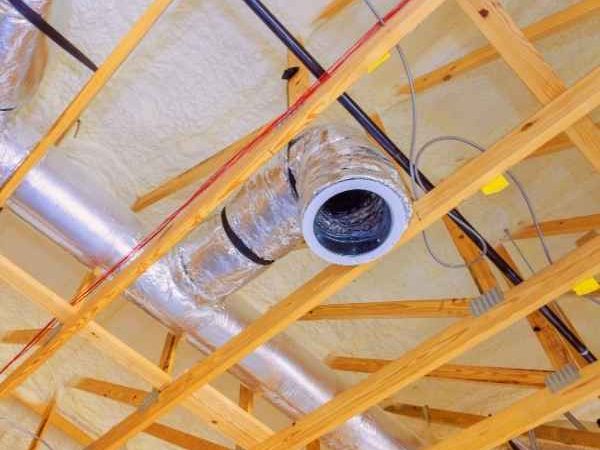
Timeline expectations help homeowners plan around the installation process and understand how long their home will experience disruption. While specific projects vary based on system complexity and home characteristics, typical residential AC air duct replacement projects follow predictable schedules.
Factors That Affect Installation Timeline
Home size directly impacts installation duration, with larger homes requiring more ductwork, additional branches, and increased labor hours. Multi-story homes present access challenges that extend installation time compared to single-story designs where ductwork is concentrated in one attic or crawlspace. Existing duct locations and complexity affect removal time, with complicated systems requiring careful disconnection and extraction.
Accessibility significantly impacts timeline, as easily accessible attics with adequate working height allow faster installation than cramped crawlspaces or spaces requiring multiple access points. Insulation removal or modification necessary to access duct locations adds time to projects. Permit requirements in some jurisdictions introduce delays when inspections must occur at specific project phases.
Weather conditions affect exterior work and temperature control in attic spaces during summer months, potentially extending labor hours required to complete installation safely. Crew size and experience levels influence efficiency, with larger, more experienced teams completing work faster than smaller or less experienced crews. Custom fabrication requirements for unusual duct configurations or tight spaces extend timelines compared to straightforward installations using standard components.
What to Expect During the Installation
Most residential duct replacement projects are completed in 1-3 days, depending on the factors discussed above. Whole-house replacements in average-sized homes typically require 2 full working days, while partial replacements or smaller homes may be completed in a single long day. Larger estates or complex multi-story installations may extend to 3-4 days.
Homeowners should expect technicians to arrive with all necessary materials, tools, and equipment on the first day. Work typically begins early morning, with teams focusing on removal and rough installation before afternoon heat makes attic work challenging during summer months. Periodic power shutdowns may be necessary when disconnecting and reconnecting AC equipment.
Noise levels vary throughout the project, with demolition producing the most disruption and finish work relatively quiet. AC system operation is interrupted during installation, though contractors often arrange schedules to restore cooling during overnight hours in summer months. Final testing and commissioning occurs after all installation work completes, confirming system performance before project completion.
Duct Replacement vs. Duct Repair: Which Do You Need?
Deciding between repair and replacement requires honest assessment of duct system condition, age, and performance issues. While repairs address isolated problems, replacement provides comprehensive solutions when multiple issues compromise system effectiveness.
When Repair Is Sufficient
Localized damage affecting limited duct sections often warrants repair rather than full replacement. Recent damage from pests, accidental contact, or specific incidents can be effectively addressed through targeted repairs when surrounding ductwork remains sound. Loose connections at joints or disconnected branches are easily repaired, restoring proper airflow without extensive work.
Minor leaks in otherwise sound ductwork are effectively sealed using mastic or approved tape. Aerosol sealing technology addresses small leaks throughout systems, improving performance without removing and replacing ducts. These repairs make economic sense when ductwork is relatively new, generally less than 10 years old, and problems are limited in scope.
Isolated sections that have suffered damage can be replaced without disturbing the entire system. Strategic repairs to critical areas like main trunk lines or sections serving frequently used spaces provide significant performance improvements while controlling investment. Professional assessment identifies whether repairs will achieve your comfort and efficiency goals or represent temporary fixes for systemic problems.
When Replacement Is Necessary
Widespread deterioration affecting multiple duct sections indicates replacement provides better long-term value than multiple repairs. Systems older than 15-20 years likely suffer from material degradation, obsolete design standards, and inadequate sealing that repairs cannot fully address. When multiple problem areas exist throughout the system, replacement ensures comprehensive performance improvement.
Undersized ductwork restricting airflow cannot be effectively repaired and requires redesign using proper sizing calculations. Homes where ductwork was installed without engineering design often benefit from complete replacement sized according to Manual D procedures. HVAC equipment upgrades frequently necessitate duct replacement to accommodate different airflow requirements of modern high-efficiency systems.
Contamination issues including mold growth, insulation breakdown, or extensive biological infestation typically require replacement rather than remediation. Hidden damage discovered during inspections may make replacement more cost-effective than attempting extensive repairs in inaccessible locations. Professional contractors provide honest assessment of whether repairs are viable or replacement provides better value for your investment.
Long-Term Value Considerations
Life-cycle analysis comparing repair and replacement costs over 10-15 years often favors replacement when duct systems show age or multiple problems. Ongoing repairs accumulate costs without addressing underlying issues, while replacement provides decades of reliable performance. Energy savings from properly sealed, well-designed new ductwork can offset investment through reduced utility bills over the system’s lifetime.
Enhanced comfort and air quality improvements provide value beyond monetary savings, improving quality of life for home occupants. Replacement eliminates nagging problems like temperature variations, poor airflow, and excessive dust that repairs might not fully resolve. Increased home value from efficient, properly installed mechanical systems benefits homeowners who plan to sell in the future.
Professional contractors provide detailed comparisons explaining the rationale for their recommendations. Transparency about condition assessment, repair limitations, and replacement benefits helps homeowners make informed decisions aligned with their budget, priorities, and timeline. Trust your contractor to recommend the approach that best serves your long-term interests rather than maximizing their immediate project scope.
Get a Free Duct Inspection and Quote
We offer complimentary duct inspections including diagnostic testing to accurately assess your system’s condition and performance. Our detailed proposals outline the scope of work, materials specifications, project timeline, and investment required, with no pressure or obligation. You’ll receive honest assessment whether repair or replacement best serves your interests, along with clear explanations supporting our recommendations.
Call Value Air and Heat at 727-418-3211 or submit our online contact form to schedule your free duct inspection. Our friendly staff will arrange a convenient appointment time for our technicians to evaluate your system and discuss solutions. Evening and weekend appointments available to accommodate your schedule.
Experience the difference professional AC air duct replacement makes in your home’s comfort and efficiency. Join hundreds of satisfied St. Petersburg homeowners who trust Value Air and Heat for exceptional service, quality workmanship, and lasting results. Contact us today to get started!
Maintaining Your New AC Ductwork
Protecting your investment in AC duct replacement requires implementing proper maintenance practices that preserve performance and extend system lifespan. While modern ductwork is highly durable, regular attention prevents problems and maintains optimal efficiency.
Regular Inspection Schedule
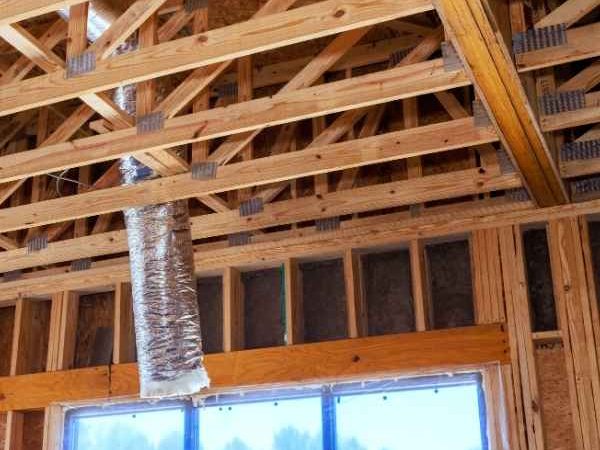
Annual visual inspections identify minor issues before they escalate into major problems. During filter changes, shine a flashlight into accessible duct sections looking for loose connections, damaged insulation, or signs of moisture. Check that support straps remain secure and ducts haven’t shifted or sagged over time.
Professional inspections every 3-5 years use diagnostic equipment to measure system performance, verifying that leakage rates remain low and airflow distribution stays balanced. Thermal imaging detects insulation problems invisible during visual inspection. These periodic assessments catch deterioration early when repairs are simple and inexpensive.
Monitor energy bills for unexpected increases that might indicate duct problems developing. Track temperature consistency throughout your home, noting any hot or cold spots that emerge over time. Increased dust accumulation or changes in indoor air quality can signal duct issues requiring attention. Early detection through regular monitoring prevents minor problems from becoming expensive failures.
Duct Cleaning Best Practices
New ductwork starts clean, but accumulates dust over years of operation. Source control through high-quality filtration prevents excessive contamination, reducing cleaning frequency. MERV 8-13 filters trap particles before they enter ductwork, maintaining cleaner internal surfaces.
When cleaning becomes necessary, hire certified duct cleaning professionals using proper equipment and techniques meeting NADCA standards. Reputable companies inspect ducts before cleaning, identify specific contamination issues, and use methods appropriate for your duct materials. Avoid companies making unrealistic promises or using high-pressure sales tactics common in this industry.
Maintain your HVAC system’s air filter on manufacturer-recommended schedules, typically every 1-3 months depending on filter type and household conditions. Clean filters reduce dust circulation and protect system components from contamination. Consider upgraded filtration during renovation projects or after major dust-producing activities to prevent construction debris from accumulating in ductwork.
Professional Maintenance Services
Comprehensive AC maintenance includes duct system evaluation as part of seasonal tune-ups. Technicians check supply and return register airflow, verify proper system pressures, and inspect accessible duct sections for problems. Integration of duct inspection into regular AC maintenance catches issues early, preventing costly emergency repairs.
Relationship with a trusted HVAC contractor provides priority service, performance history tracking, and proactive recommendations about system needs. Maintenance agreements typically include discounted services, priority scheduling, and extended warranties protecting your investment. These programs provide value beyond individual service calls through systematic care preventing problems before they occur.
Address any performance changes promptly through professional evaluation rather than allowing problems to persist. Strange noises, efficiency decreases, or comfort issues warrant immediate attention preventing damage to ducts or equipment. Professional diagnosis identifies whether problems originate in ductwork, equipment, or controls, ensuring proper corrections rather than treating symptoms while root causes persist.
Frequently Asked Questions About AC Duct Replacement
How often should AC ducts be replaced?
Most residential ductwork lasts 15-25 years depending on materials, installation quality, and environmental conditions. Flex duct typically requires replacement sooner than rigid metal ducts. Systems installed before 2000 likely use outdated materials and design standards warranting evaluation for replacement. Regular inspections help determine when replacement becomes necessary rather than following rigid timelines.
Can I replace AC ductwork myself?
While DIY duct replacement is technically possible, proper installation requires specialized tools, knowledge of building codes, understanding of AC principles, and experience with different duct materials. Improperly installed ductwork creates more problems than it solves, potentially voiding AC equipment warranties. Professional installation ensures code compliance, optimal performance, and warranty protection. Most municipalities require permits for duct replacement, necessitating licensed contractor involvement.
Will new ducts improve my air conditioning performance?
Properly designed and installed ductwork significantly improves AC performance by eliminating air leakage, providing adequate airflow to equipment, and ensuring balanced distribution throughout your home. Systems with new ductwork achieve manufacturer-rated efficiency specifications, resulting in better cooling, lower energy bills, and extended equipment life. Temperature consistency improves as properly sized ducts deliver appropriate airflow to each room.
How do I know if my ducts are leaking?
Signs of leaking ductwork include high energy bills, dusty home despite regular cleaning, temperature inconsistencies between rooms, and difficulty maintaining comfortable temperatures. Some rooms might be stuffy while others feel drafty. Visible dust around register edges suggests air leaking around poor connections. Professional testing with duct blasters accurately measures leakage rates, confirming whether sealing or replacement is needed.
What's the best duct material for Florida homes?
Florida’s humid climate and high attic temperatures make properly insulated flex duct popular for branch runs, combined with rigid metal trunk lines for durability. Adequate insulation (R-6 minimum, R-8 preferred) prevents condensation and maintains conditioned air temperature. Vapor barrier placement controls moisture movement preventing mold growth. Professional contractors familiar with Florida conditions specify materials appropriate for regional climate challenges.
Does duct replacement require cutting into walls or ceilings?
Most residential duct replacement occurs in attics, crawlspaces, basements, or garage areas without requiring access through living space walls or ceilings. Existing register openings accommodate new ductwork connections. Occasionally, strategic access openings might be necessary for specific applications, but contractors minimize invasive work. Discuss access requirements during design phase to understand any potential impacts on finished surfaces.
How much does AC duct replacement improve energy efficiency?
New ductwork typically reduces energy consumption by 20-30% compared to systems with significant leakage and poor design. Actual savings depend on the condition of old ductwork, improvement in sealing and insulation, and proper sizing of new system. ENERGY STAR certified duct systems with less than 6% leakage maximize efficiency gains. These improvements compound over years of operation, providing substantial lifetime savings.
Can I replace just part of my ductwork?
Partial duct replacement addresses specific problem areas when remaining ductwork is sound and adequate for system needs. Strategically replacing damaged sections, undersized branches, or deteriorated areas improves performance while controlling investment. Professional assessment determines whether partial replacement achieves your goals or if comprehensive replacement provides better long-term value.
What permits are required for duct replacement?
Permit requirements vary by jurisdiction, with most areas requiring permits for extensive duct replacement. St. Petersburg building department enforces Florida Building Code provisions regarding duct installation, insulation, and sealing. Licensed contractors obtain necessary permits, ensure code compliance, and coordinate required inspections. Permit processes protect homeowners by ensuring work meets safety and performance standards.
How do new ducts affect home resale value?
New ductwork enhances home value by demonstrating proper maintenance, improving energy efficiency, and ensuring buyer comfort. Home inspections highlighting old, damaged, or inadequate ductwork can become negotiation points reducing sale prices. Modern, properly installed ductwork provides documentation of quality mechanical systems, appealing to discriminating buyers who value energy efficiency and low maintenance requirements.
Schedule Your AC Duct Replacement in St. Petersburg Today
Value Air and Heat is your trusted partner for professional AC duct replacement throughout St. Petersburg and Pinellas County. Our certified technicians combine technical expertise with commitment to customer satisfaction, delivering duct systems that enhance comfort, improve efficiency, and provide years of reliable performance.
Don’t let damaged or outdated ductwork compromise your home’s comfort and energy efficiency. Take the first step toward better indoor air quality and lower utility bills by contacting Value Air and Heat for a comprehensive duct system evaluation. Our team will assess your current system, explain your options, and provide transparent recommendations tailored to your specific needs and budget.
- 727-418-3211
- ST. PETERSBURG, FL
- OPEN 24 / 7