- 5-STAR RATED BY OUR CUSTOMERS
- SATISFACTION GUARANTEED
INDOOR AIR QUALITY TESTING SERVICES ST. PETERSBURG FL
- Locally Owned and Operated
- 20 Years of Experience
- Fully Insured & Licensed
- 100% Satisfaction Guarantee
Indoor air quality testing services from Value Air and Heat provide St. Petersburg homeowners with comprehensive analysis of the air circulating through your home. Your family spends approximately 90% of their time indoors, and the Environmental Protection Agency reports that indoor air can be 2-5 times more polluted than outdoor air, sometimes reaching 100 times worse.
Our professional indoor air quality testing identifies hidden pollutants, allergens, and contaminants affecting your health, comfort, and well-being.
As St. Petersburg’s trusted HVAC and indoor air quality specialists, Value Air and Heat delivers precise testing using advanced monitoring equipment that measures particulate matter, volatile organic compounds (VOCs), carbon monoxide, mold spores, humidity levels, and dozens of other air quality parameters. Our certified technicians provide detailed reports with clear explanations and practical solutions tailored to your home’s unique conditions and your family’s specific needs.
Whether you’re experiencing unexplained allergies, respiratory problems, musty odors, or simply want peace of mind about your indoor environment, our indoor air quality testing near you delivers the answers you need. We serve homeowners throughout St. Petersburg with same-day service options, transparent pricing, and a commitment to improving your home’s air quality through science-based testing and proven solutions.
Why Indoor Air Quality Testing Matters for Your St. Petersburg Home
The unique climate conditions in St. Petersburg, Florida create specific indoor air quality challenges that many homeowners don’t realize exist. High humidity levels throughout much of the year promote mold growth, dust mite proliferation, and increased VOC emissions from building materials and furnishings. Closed-up, air-conditioned homes trap these pollutants, creating a concentrated exposure environment that can significantly impact health over time.
Common Indoor Air Pollutants in Florida Homes
Florida homes commonly contain elevated levels of several indoor air pollutants that professional air quality testing can identify:
Biological Contaminants:
- Mold spores: Thrive in humidity above 60%, common in bathrooms, attics, and poorly ventilated areas
- Dust mites: Microscopic organisms that trigger allergies and asthma, prevalent in bedding and carpeting
- Pollen: Enters through windows, doors, and HVAC systems, especially during spring and fall seasons
- Pet dander: Protein particles from skin, saliva, and urine that remain airborne for hours
Chemical Pollutants:
- VOCs (Volatile Organic Compounds): Emitted from paints, cleaning products, furniture, flooring, and building materials; includes formaldehyde, benzene, and toluene
- Combustion gases: Carbon monoxide from gas appliances, attached garages, or inadequate ventilation
- Pesticides: Residues from lawn treatments and pest control applications
Particulate Matter:
- PM2.5 and PM10: Fine and coarse particles from cooking, combustion, outdoor sources, and HVAC system failures
- Construction dust: Renovation activities can elevate particulate levels for months
According to research published by the American Lung Association, poor indoor air quality contributes to respiratory infections, aggravates asthma and allergies, and can lead to chronic health conditions with long-term exposure. St. Petersburg’s climate intensifies these risks, making regular air quality testing an essential preventive measure.
Health Impacts of Poor Indoor Air Quality
Professional indoor air quality services can identify pollutants linked to numerous health concerns:
Immediate symptoms:
- Headaches and dizziness
- Eye, nose, and throat irritation
- Fatigue and difficulty concentrating
- Aggravated asthma symptoms
- Allergic reactions
Long-term health effects:
- Chronic respiratory diseases
- Cardiovascular problems
- Compromised immune system function
- Neurological effects from prolonged VOC exposure
Children, elderly family members, and individuals with pre-existing respiratory conditions face elevated risks from poor indoor air quality. The World Health Organization estimates that household air pollution contributes to millions of premature deaths annually worldwide, underscoring the critical importance of maintaining healthy indoor environments through regular testing and remediation.
Signs Your Home Needs Indoor Air Quality Services
Value Air and Heat recommends professional indoor air quality testing if you notice:
Environmental indicators:
- Persistent musty or chemical odors
- Visible mold growth or water stains
- Excessive dust accumulation despite regular cleaning
- Condensation on windows or walls
- Uneven humidity levels between rooms
- Recent water damage or flooding
Health-related signals:
- Symptoms that improve when leaving home
- Unexplained respiratory issues or allergies
- Frequent headaches or fatigue
- Multiple family members experiencing similar symptoms
- Worsening asthma or allergy conditions
Structural and system factors:
- Home older than 20 years without recent HVAC updates
- Recent renovations or new construction
- Limited ventilation or air exchange
- HVAC system not professionally maintained
- Previous occupants with smoking habits
Get Your Home’s Air Quality Tested. Contact Value Air and Heat
Our Comprehensive Indoor Air Quality Testing Process
Value Air and Heat’s indoor air quality testing services employ a systematic, science-based approach that delivers accurate, actionable results for St. Petersburg homeowners.
Initial Home Assessment and Consultation
Our certified technicians begin every indoor air quality service with a comprehensive walkthrough of your property. This initial assessment includes:
Visual inspection identifying:
- Potential mold growth areas
- Moisture intrusion points
- HVAC system condition and airflow patterns
- Ventilation adequacy
- Potential pollutant sources (furnishings, materials, appliances)
Homeowner consultation covering:
- Specific health concerns or symptoms
- Recent home changes (renovations, new furniture, paint)
- HVAC maintenance history
- Daily activities impacting air quality (cooking, cleaning products, hobbies)
- Problem areas or rooms of concern
This contextual information guides our testing strategy, ensuring we focus monitoring equipment and sampling on the most relevant parameters for your specific situation.
Advanced Air Quality Monitoring Equipment
Our indoor air quality testing companies utilize professional-grade instruments that provide laboratory-accurate measurements:
Real-time monitoring devices:
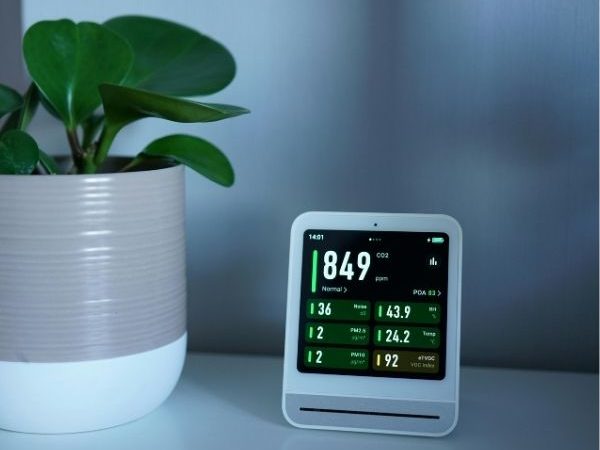
- Particle counters: Measure PM2.5 and PM10 concentrations with laser-based detection
- VOC meters: Detect and quantify volatile organic compounds using photoionization detection (PID)
- Carbon monoxide/dioxide analyzers: Electrochemical sensors for combustion gas detection
- Temperature and humidity loggers: Track environmental conditions influencing pollutant levels
- Formaldehyde detectors: Specialized sensors for this common but harmful VOC
Sampling collection:
- Air sampling pumps: Collect particles and bioaerosols for laboratory analysis
- Surface sampling: Tape lifts and swabs for mold identification
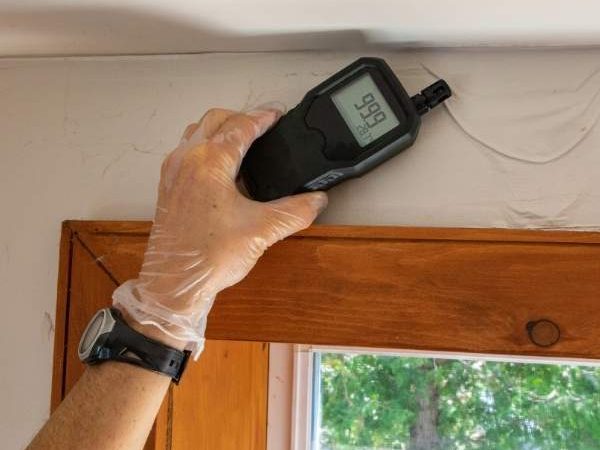
- Moisture meters: Non-invasive detection of hidden water problems
Unlike consumer-grade indoor air quality monitors available at retail stores, our professional equipment provides precise measurements calibrated to industry standards, enabling accurate comparisons against EPA guidelines and health-based benchmarks.
What We Test For: Complete IAQ Analysis
Our comprehensive indoor air quality testing near you includes measurement and analysis of:
Particulate matter:
- Fine particles (PM2.5): ≤2.5 micrometers
- Coarse particles (PM10): ≤10 micrometers
- Total suspended particulates
Gases and VOCs:
- Total VOCs (TVOCs) measurement
- Specific compounds: formaldehyde, benzene, toluene, xylene
- Carbon monoxide (CO)
- Carbon dioxide (CO2)
- Radon (where applicable)
Biological contaminants:
- Mold spores (airborne and surface samples)
- Bacteria and other bioaerosols
- Allergen indicators
Environmental parameters:
- Temperature distribution
- Relative humidity levels
- Air exchange rate
- HVAC system performance metrics
Testing typically requires 2-4 hours depending on home size and complexity, with some samples sent to accredited laboratories for detailed analysis.
Laboratory Analysis and Reporting
Air and surface samples collected during your home indoor air quality testing are analyzed by certified environmental laboratories specializing in indoor air contaminants. Results typically return within 3-5 business days for standard testing, with rush services available when needed.
Your comprehensive IAQ report includes:
- Measured concentrations of all tested parameters
- Comparisons to EPA standards and health guidelines
- Room-by-room analysis showing problem areas
- Identified pollutant sources
- Health risk assessment based on detected levels
- Prioritized recommendations for remediation
- Explanation of findings in clear, non-technical language
Our technicians schedule a follow-up consultation to review your report in detail, answer questions, and discuss implementation of recommended solutions.
This educational approach ensures you fully understand your home’s air quality status and feel confident in the remediation path forward.
Indoor Air Quality Testing Services We Offer
Value Air and Heat provides specialized indoor air quality testing tailored to different concerns and home conditions throughout St. Petersburg.

Residential Indoor Air Quality Testing
Our standard residential indoor air quality service provides comprehensive baseline assessment perfect for:
- New homeowners wanting to understand their indoor environment
- Families with allergy or asthma sufferers
- Homes that have been closed up for extended periods
- Regular AC maintenance and preventive health monitoring
Testing includes: Particulate matter, VOCs, carbon monoxide, humidity, temperature, and HVAC system assessment with general recommendations for improvement.
Mold and Moisture Assessment
Specialized testing for homes with visible mold, musty odors, or previous water damage:
- Airborne mold spore sampling
- Surface sampling for mold identification
- Moisture mapping using thermal imaging
- Hidden cavity investigation
- Laboratory species identification
- Comparison of indoor vs. outdoor spore levels
This targeted indoor air quality test pinpoints mold problems and provides the documentation needed for remediation contractors and, when necessary, insurance claims.
VOC (Volatile Organic Compound) Testing
Focused analysis for homes with chemical odors, recent renovations, or new furnishings:
- Total VOC measurement
- Individual compound identification (formaldehyde, benzene, etc.)
- Source identification
- Off-gassing timeline predictions
- Ventilation recommendations
Essential for new construction homes, post-renovation environments, and when occupants experience headaches, dizziness, or respiratory irritation.
Carbon Monoxide and Gas Detection
Critical safety testing for homes with gas appliances, attached garages, or combustion concerns:
- Multi-point carbon monoxide measurement
- Carbon dioxide levels indicating ventilation adequacy
- Gas appliance safety inspection
- Backdrafting assessment
- Emergency action thresholds
This indoor air quality testing near you can literally save lives by identifying dangerous gas accumulations before they cause health crises.
Allergen and Particulate Matter Testing
Specialized assessment for allergy and asthma sufferers:
- PM2.5 and PM10 concentration mapping
- Pollen and dust mite allergen sampling
- Pet dander quantification
- Seasonal allergy trigger identification
- HVAC filtration effectiveness evaluation
Results guide selection of air purification systems and identify necessary improvements to reduce allergen exposure.
Choose Your Indoor Air Quality Test – Call Value Air and Heat Now]
The Value Air and Heat Difference: Why Choose Our IAQ Services
Certified Indoor Air Quality Specialists
Our technicians hold specialized certifications in indoor air quality assessment and HVAC systems, ensuring accurate testing and expert interpretation of results. We maintain ongoing education in the latest IAQ research, testing methodologies, and remediation technologies.
Our commitment to excellence includes:
- EPA-approved testing protocols
- Accredited laboratory partnerships
- Continuing education in indoor environmental science
- Manufacturer certifications for testing equipment
- Years of experience serving St. Petersburg homeowners
State-of-the-Art Testing Equipment
Value Air and Heat invests in professional-grade monitoring instruments that deliver precise, reliable measurements. Our equipment undergoes regular calibration and maintenance to ensure accuracy that consumer-grade devices cannot match.
Equipment advantages:
- Laboratory-grade sensors and detectors
- Real-time monitoring with data logging
- Multi-parameter simultaneous measurement
- Validated accuracy against reference standards
Detailed Reports with Actionable Solutions
Your indoor air quality service delivers more than just numbers—we provide clear explanations, health context, and practical recommendations you can implement immediately.
Report features:
- Visual data presentation (charts, graphs, heat maps)
- Room-by-room analysis
- Pollutant source identification
- Prioritized action plans
- Solution options with expected outcomes
- Follow-up testing recommendations
Local expertise matters: Our technicians understand St. Petersburg’s unique climate challenges, common construction types, and regional pollutant concerns, providing contextually relevant recommendations for your specific neighborhood and home.
Understanding Your Indoor Air Quality Test Results
How to Read Your IAQ Report
Common measurements and units:
- PM2.5/PM10: Micrograms per cubic meter (μg/m³)
- VOCs: Parts per million (ppm) or parts per billion (ppb)
- Carbon monoxide: Parts per million (ppm)
- Mold spores: Spores per cubic meter (spores/m³)
- Humidity: Relative humidity percentage (RH%)
- Temperature: Degrees Fahrenheit (°F)
Each parameter includes a “measured value” compared against “acceptable range” with color coding (green/yellow/red) indicating severity levels.
Acceptable Air Quality Standards and Benchmarks
EPA Indoor Air Quality Guidelines:
- PM2.5: Annual average ≤12 μg/m³, 24-hour ≤35 μg/m³
- Carbon monoxide: 8-hour exposure ≤9 ppm, 1-hour ≤35 ppm
- Total VOCs: <0.3 mg/m³ acceptable, 0.3-0.5 mg/m³ marginal, >0.5 mg/m³ concerning
- Formaldehyde: <27 ppb for sensitive individuals
- Relative humidity: 30-50% optimal (prevents mold while maintaining comfort)
Mold spore comparisons: Outdoor baseline samples provide context since all homes contain some mold spores. Concerning results show:
- Indoor levels exceeding outdoor by 2:1 or greater
- Presence of toxigenic species (Stachybotrys, Aspergillus, etc.)
- Elevated counts in single species indicating active growth
Next Steps After Testing
Your Value Air and Heat consultation includes prioritized recommendations based on findings:
Immediate actions (health or safety concerns):
- Emergency ventilation for high CO levels
- Source elimination for dangerous VOCs
- Deactivation of malfunctioning appliances
Short-term improvements (moderate concerns):
- HVAC filter upgrades
- Increased ventilation
- Source control measures
- Humidity management
Long-term solutions (optimization):
- Air purification system installation
- HVAC system upgrades
- Comprehensive duct cleaning
- Whole-home ventilation improvements
We provide detailed estimates for recommended indoor air quality solutions, connecting you with qualified contractors when specialized work (mold remediation, major HVAC modifications) falls outside our service scope.
Indoor Air Quality Solutions Following Your Test
HVAC System Optimization and Maintenance
Your heating and cooling system plays the central role in indoor air quality management. Value Air and Heat provides:
Filter upgrades:
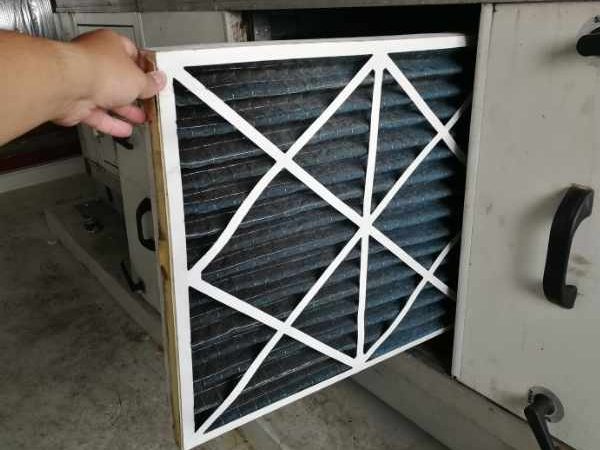
- High-efficiency MERV 13-16 filters capturing particles ≥0.3 microns
- HEPA filtration for allergy sufferers
- Activated carbon filters for VOC and odor control
- Regular filter replacement schedules
System improvements:
- Duct cleaning and sealing
- Coil cleaning and sanitization
- Airflow balancing and optimization
- UV-C germicidal light installation
- Smart thermostat programming for optimal air exchange
Preventive maintenance: Regular HVAC services prevents many indoor air quality problems by maintaining proper system function, ensuring adequate ventilation, and catching problems before they compromise air quality.
Air Purification and Filtration Systems
Advanced clean air technologies address specific pollutants identified in your indoor air quality test:
Whole-home air purifiers:
- HEPA filtration systems removing 99.97% of particles ≥0.3 microns
- Electronic air cleaners capturing particles and bioaerosols
- Activated carbon systems for VOC and odor control
- Photocatalytic oxidation (PCO) destroying airborne contaminants
Portable solutions:
- Bedroom air purifiers for improved sleep quality
- Living area units for high-traffic spaces
- HEPA/carbon combination units for comprehensive protection
Selection depends on your specific indoor air quality testing results, home size, and budget considerations.
Ventilation Improvements
Adequate fresh air exchange dilutes indoor pollutants and reduces concentration levels:
Mechanical ventilation:
- Energy Recovery Ventilators (ERVs) exchanging stale indoor air with fresh outdoor air while maintaining temperature and humidity
- Heat Recovery Ventilators (HRVs) for efficient air exchange
- Exhaust fan upgrades in kitchens and bathrooms
Natural ventilation strategies:
- Window and door opening schedules
- Cross-ventilation optimization
- Passive stack ventilation in appropriate climates
Florida’s climate requires balanced ventilation approaches that maintain comfort while improving air exchange—our indoor air quality contractors design systems meeting both objectives.
Humidity Control Solutions
Maintaining 30-50% relative humidity prevents mold growth while avoiding dryness:
Dehumidification:
- Whole-home dehumidifiers integrated with HVAC
- Standalone units for problem areas (basements, bathrooms)
- Smart humidity monitoring and automatic control
Humidification:
- Whole-home humidifiers for dry winter months
- Steam humidifiers for precise control
- Bypass humidifiers for cost-effective solutions
Proper humidity management addresses numerous indoor air quality concerns simultaneously, making it among the most cost-effective interventions for St. Petersburg homes.
Implement Your Indoor Air Quality Solutions – Schedule Service with Value Air and Heat
Service Areas: Indoor Air Quality Testing Throughout St. Petersburg
Value Air and Heat proudly serves homeowners throughout St. Petersburg and surrounding Pinellas County communities with professional indoor air quality testing services. Our local presence means faster response times, familiarity with regional construction types and climate challenges, and commitment to our neighbors’ health and comfort.
Neighborhoods We Serve
We provide comprehensive indoor air quality testing near you in these St. Petersburg areas and beyond:
Historic districts:
- Historic Old Northeast
- Historic Kenwood
- Historic Roser Park
- Historic Uptown
Waterfront communities:
- Shore Acres
- Snell Isle
- Venetian Isles
- Bahama Shores
- Isla del Sol
Residential neighborhoods:
- Greater Pinellas Point
- Lakewood Estates
- Maximo Moorings
- Twin Brooks
- Azalea
- Disston Heights
And throughout:
- Downtown St. Petersburg
- South Pasadena
- Gulfport
- Tierra Verde
- St. Pete Beach
Serving all Pinellas County locations – if you’re in the greater St. Petersburg area, Value Air and Heat brings professional indoor air quality testing directly to your door.
Frequently Asked Questions About Indoor Air Quality Testing
How long does indoor air quality testing take?
Most residential indoor air quality tests require 2-4 hours for a thorough assessment. This includes initial walkthrough, equipment setup, monitoring period, sample collection, and preliminary discussion. Complex testing or larger homes may require additional time. Some samples require laboratory analysis, with results typically available within 3-5 business days.
What's the best time of year for indoor air quality testing?
Indoor air quality testing can be performed year-round, but certain times may be optimal depending on your concerns:
- Summer: Peak humidity and air conditioning operation reveal mold and ventilation issues
- Winter: Closed-up homes with heating systems running show combustion and ventilation problems
- Post-renovation: Test 2-4 weeks after completion to capture off-gassing peaks
- New occupancy: Test before or shortly after moving into a home
Many St. Petersburg homeowners benefit from testing during Florida’s rainy season (June-September) when humidity-related problems peak.
Can I stay home during indoor air quality testing?
Yes, occupants can remain home during most indoor air quality testing. In fact, normal occupancy patterns often help identify real-world pollutant levels under typical conditions. Our technicians work efficiently and respectfully, minimizing disruption to your daily routine. For some specialized tests requiring undisturbed conditions, brief periods of reduced activity may be requested.
How often should I have my indoor air quality tested?
Recommended testing frequency:
- Annual testing: Homes with previous air quality issues, occupants with respiratory conditions, or proactive health-conscious homeowners
- Every 2-3 years: Routine preventive assessment for healthy homes
- After major events: Water damage, renovations, new HVAC installation, occupancy changes, or when symptoms develop
Regular testing establishes baselines and tracks improvements after implementing indoor air quality solutions.
Will indoor air quality testing find mold?
Our comprehensive indoor air quality testing includes mold spore sampling that identifies airborne mold levels and species present. Testing reveals:
- Elevated spore concentrations indicating active growth
- Comparison to outdoor baseline levels
- Specific mold species (some more concerning than others)
- Probable source locations based on distribution patterns
For suspected visible mold, we combine air sampling with surface samples for definitive identification and provide referrals to certified mold remediation specialists when needed.
What's the difference between DIY monitors and professional testing?
Consumer monitors:
- Limited parameters (usually just PM2.5, VOCs, CO2)
- Lower accuracy and precision
- No professional interpretation
- No laboratory analysis
- General trends only
Professional indoor air quality services:
- Comprehensive multi-parameter assessment
- Laboratory-grade accuracy
- Expert source identification
- Accredited lab analysis for biologicals
- Detailed reports with actionable recommendations
- Health risk assessment
Professional testing provides the accuracy and comprehensive analysis necessary for making important health decisions and planning effective remediation.
Does poor indoor air quality really affect health?
Absolutely. The EPA ranks indoor air quality among the top five environmental health risks. Poor indoor air quality has been definitively linked to:
- Respiratory infections and aggravated asthma
- Allergic reactions and chronic sinusitis
- Headaches, fatigue, and difficulty concentrating
- Cardiovascular effects from particulate matter exposure
- Long-term risks from chronic VOC and mold exposure
Studies show that improving indoor air quality reduces respiratory symptoms by 20-50% in affected individuals. For children, elderly family members, and those with pre-existing conditions, the health benefits of good indoor air quality are especially significant.
What should I do to prepare for indoor air quality testing?
Before your appointment:
- Continue normal activities (don’t change routines that might affect results)
- List any concerns, symptoms, or problem areas
- Gather HVAC maintenance records if available
- Note recent home changes (renovations, new furniture, etc.)
- Ensure access to all areas including attics, basements, utility rooms
During testing:
- Allow technicians access to all spaces
- Share observations about odors, moisture, or concerns
- Ask questions throughout the process
No special preparation is needed—we want to capture your home’s air quality under normal, everyday conditions.
Can indoor air quality testing help with allergies and asthma?
Yes, professional indoor air quality testing identifies specific allergens and irritants triggering symptoms:
- Particulate allergens: Pollen, dust mites, pet dander, mold spores
- Chemical irritants: VOCs, formaldehyde, cleaning product residues
- Environmental factors: Humidity extremes, inadequate ventilation
Testing pinpoints which pollutants are present at concerning levels, allowing targeted remediation. Many families report significant symptom improvement after implementing recommendations from their indoor air quality test—especially when combined with HVAC system upgrades and air purification.
What happens after I receive my indoor air quality assessment results?
Value Air and Heat provides comprehensive follow-up support:
Immediate steps:
- Detailed results consultation explaining all findings
- Prioritized recommendations from urgent to long-term
- Specific solutions for identified problems
- Referrals to specialists when needed (mold remediation, contractors, etc.)
Implementation support:
- Installation of air purification systems
- HVAC maintenance and upgrades
- Filter replacement programs
- Ventilation improvements
- Humidity control solutions
Long-term monitoring:
- Follow-up testing to verify improvements
- Ongoing maintenance to sustain results
- Seasonal recommendations
- Customer support for questions and concerns
Our goal is not just testing, but helping you achieve and maintain healthy indoor air quality for your family’s long-term health and comfort.
Get Your Questions Answered – Contact Value Air and Heat for Expert IAQ Guidance
Schedule Your Indoor Air Quality Test Inspection Today
Don’t wait for symptoms to worsen or air quality issues to escalate—take proactive control of your home’s indoor environment with professional indoor air quality testing from Value Air and Heat.
Why test your indoor air quality now:
- Protect your family’s health: Identify and eliminate hidden pollutants affecting respiratory health, allergies, and overall well-being
- Peace of mind: Know exactly what you’re breathing with precise, scientific measurements
- Targeted solutions: Stop guessing and start solving—our testing reveals exactly which improvements will deliver results
- Long-term savings: Prevent health problems and HVAC system damage by catching issues early
- Improved comfort: Breathe easier, sleep better, and enjoy your St. Petersburg home to the fullest
Ready to breathe better? Contact Value Air and Heat today:
Our promise to you:
- Professional, certified technicians with local expertise
- Comprehensive testing using state-of-the-art equipment
- Clear, actionable reports you can actually understand
- Honest recommendations prioritizing your health and budget
- Outstanding customer service and follow-through
St. Petersburg’s trusted indoor air quality testing company – Value Air and Heat has helped hundreds of local families breathe cleaner, healthier air. Let us do the same for you.
Same-day appointments available | Serving all St. Petersburg neighborhoods | Free consultation with every test
- 727-418-3211
- ST. PETERSBURG, FL
- OPEN 24 / 7