

How to Choose a Heating and Air Conditioning, HVAC Contractor in St Petersburg, Florida
Table of Contents
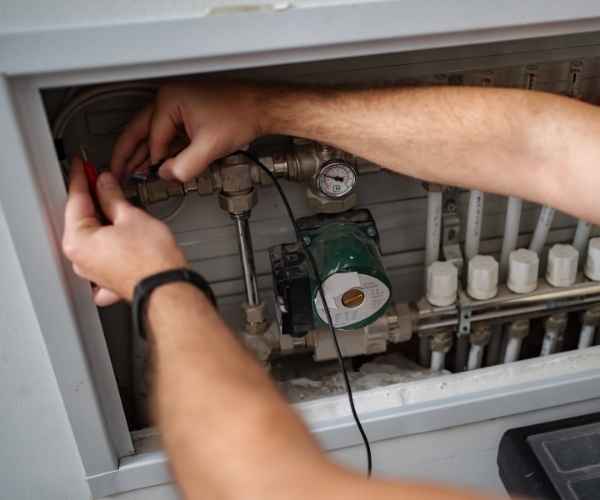
Selecting the right HVAC professional can mean the difference between years of comfortable, efficient climate control and costly repairs, safety hazards, or system failures. How to choose a heating and air conditioning contractor requires understanding licensing requirements, evaluating qualifications, and asking the right questions before signing any agreement. In Florida’s demanding climate—where air conditioning runs nearly year-round—this decision becomes even more critical for your home’s comfort, energy bills, and property value.
This comprehensive guide walks you through every essential criterion for vetting contractors, from verifying an air conditioning contractor license Florida requirements to assessing emergency response capabilities. Whether you need installation, repair, or maintenance services in St Petersburg, you’ll learn how to identify qualified professionals who deliver reliable results.
Why Choosing the Right HVAC Contractor Matters
Your heating and cooling system represents one of your home’s largest investments, typically accounting for nearly half of your energy consumption. The contractor you select impacts not only installation quality but also long-term performance, safety, and operational costs.
The Cost of Hiring Unqualified Contractors
Unlicensed or inexperienced contractors may offer attractive initial pricing, but they frequently create expensive problems:
- Improper installation leading to 30% efficiency losses (source: Department of Energy)
- Voided manufacturer warranties when non-certified technicians perform work
- Safety hazards including refrigerant leaks, electrical issues, and fire risks
- Code violations requiring costly corrections and potential fines
- Lack of recourse when problems arise, as unlicensed contractors carry no insurance or bonding
Florida law requires specific licensing for anyone performing HVAC work, and hiring unlicensed contractors exposes homeowners to liability if workers are injured on your property.
Long-Term Benefits of Professional HVAC Service
Partnering with a qualified, licensed ac contractor delivers measurable advantages:
- Extended equipment lifespan: Proper installation and maintenance can add 5-10 years to system life
- Lower energy bills: Correctly sized and installed systems operate 15-25% more efficiently
- Warranty protection: Manufacturer and labor warranties remain valid with certified professionals
- Code compliance: Licensed contractors ensure installations meet Florida Building Code requirements
- Peace of mind: Insurance coverage and licensing bonds protect your investment
- Expert guidance: Experienced contractors recommend appropriate system types for Florida’s climate
Essential Qualifications to Verify Before Hiring
Before requesting estimates or scheduling service, confirm these non-negotiable qualifications.
Confirming Air Conditioning Contractor License Florida Requirements
Florida’s Department of Business and Professional Regulation (DBPR) oversees HVAC company licensing. Every legitimate contractor must hold one of these licenses:
State-Level Licenses:
- Certified Air Conditioning Contractor (CAC): This license lets you install, service, and fix all kinds of air conditioning and refrigeration equipment.
- Mechanical Contractor: Covers broader HVAC systems including heating
County-Level Licenses:
- Registered Contractor: Limited to specific counties; verify coverage area matches your location
Process of verification:
- Visit the Florida DBPR website’s license search portal
- Type in the name or license number of the contractor
- The status of the confirmation shows “Active” or “Current.”
- Check for any disciplinary actions or complaints
- Verify the license covers air conditioning work
Request the contractor’s license number upfront—legitimate professionals display this information prominently on vehicles, websites, and business cards. An air conditioning contractors license is not optional; it’s a legal requirement demonstrating the contractor has passed competency exams and maintains continuing education.
Insurance Coverage: Liability and Worker's Compensation
Proper insurance protection shields you from financial liability. Require proof of:
Insurance for General Liability:
- Covers property damage during service calls or installations
- Should carry minimum coverage of one million dollars
- Protects you if equipment damages your home
Worker’s Compensation Insurance:
- Mandatory for contractors with employees in Florida
- If workers get hurt on your property, it pays for their medical bills and lost wages.
- Without this coverage, you could be held liable for workplace injuries
Request current insurance certificates directly from the contractor’s insurance provider, not just copies the contractor provides. Verify the policy remains active and covers the service dates.
Industry Certifications and Training
Beyond basic licensing, look for these professional credentials:
- NATE Certification (North American Technician Excellence): Industry’s leading competency certification for HVAC technicians
- EPA Section 608 Certification: Required for technicians handling refrigerants
- Manufacturer-Specific Training: Credentials for installing and servicing major brands (Carrier, Trane, Lennox, etc.)
- Factory Authorization: Some manufacturers designate “authorized dealers” with enhanced training and warranty support
These certifications indicate ongoing professional development and specialized expertise beyond minimum licensing requirements.
In a Hurry? Call 727-418-3211 Now!
10 Critical Questions to Ask Any HVAC Contractor
1. What Is Your Air Conditioning Contractors License Number?
Request the specific hvac contractor license number and independently verify it through Florida DBPR. This simple step immediately separates legitimate professionals from unlicensed operators.
2. Can you show proof of insurance?
Ask for certificates of insurance for both general liability and worker’s compensation. Contact the insurance company directly to confirm active coverage.
3. How Long Have You Served St Petersburg?
Local experience matters. Contractors familiar with St Petersburg’s climate, building codes, and common system issues provide better service. Look for businesses with at least five years of local operation.
4. Do you give written estimates?
Good contractors give you written estimates that are very detailed and include:
- Specific equipment models and specifications
- Labor costs separated from materials
- Project timeline and completion date
- Warranty information
- Payment schedule
Avoid contractors who provide only verbal quotes or vague pricing ranges.
5. What kinds of warranties do you offer?
Clarify both manufacturer warranties on equipment and the contractor’s labor warranty. Quality contractors typically offer:
- 1-10 year labor warranties (depending on service type)
- Assistance registering manufacturer warranties
- Clear warranty claim procedures
6. Have you checked the backgrounds of your technicians?
You’re allowing workers into your home. Professional companies conduct background checks and drug screenings on all employees.
7. How quickly do you respond to emergencies?
In Florida’s heat, HVAC emergencies require rapid response. Ask about:
- Availability of emergency service 24 hours a day, seven days a week
- Typical response times
- Fees for service after hours
- Priority service for existing customers
8. Can You Provide Local References?
Request 3-5 recent references from St Petersburg customers with similar projects. Get in touch with these references to ask about:
- Quality of workmanship
- Professionalism and cleanliness
- Fixing problems
- Would they hire the contractor again?
9. Do You Specialize in My System Type?
Different contractors excel in different areas:
- Residential vs. commercial systems
- Specific brands or technologies
- Ductless mini-splits vs. central air
- Heat pumps vs. traditional AC units
Choose contractors with proven experience in your specific system type.
10. What Financing Options Are Available?
Major HVAC installations represent significant investments. Many contractors offer financing plans, but compare:
- Interest rates and terms
- Down payment requirements
- Approval processes
- Penalties or fees
How to Research and Compare Multiple Contractors
Thorough research prevents costly mistakes. Follow this systematic approach.
Checking Online Reviews and Ratings
Examine contractor reputations across multiple platforms:
Google Business Profile:
- Overall star rating (aim for 4.5+ stars)
- Total number of reviews (minimum 50+ for established businesses)
- Response patterns to negative reviews
- Recent review trends
Better Business Bureau (BBB):
- Accreditation status
- BBB rating (A+ is ideal)
- Complaint history and resolution
- Length of BBB relationship
Specialized Platforms:
- Angi (formerly Angie’s List)
- Yelp
- HomeAdvisor
- Facebook recommendations
Look for 5 star hvac contractors consistently, but read beyond star ratings. Examine specific feedback about licensing, pricing transparency, workmanship or quality work, and customer service.
Red Flags in Reviews:
- Patterns of complaints about the same issues
- Unresolved disputes
- Accusations of unlicensed work
- Sudden influx of positive reviews (possible manipulation)
In a Hurry? Call 727-418-3211 Now!
Verifying Licensing Through Florida DBPR
Never skip independent license verification:
- Access Florida DBPR’s MyFloridaLicense.com
- Search by business name or license number
- Review license status, issue date, and expiration
- Check disciplinary history
- Confirm address matches business location
This process takes minutes and could save thousands.
Getting Multiple Written Estimates
Request written estimates from 3-5 contractors for accurate comparison:
What to Compare:
- Equipment specifications (brand, model, efficiency ratings)
- Installation scope (included vs. additional charges)
- Warranty terms (equipment and labor)
- Project timeline
- Payment terms
- Permit costs
Price Evaluation: Beware of estimates that vary by more than 20% from the average. Extremely low bids often indicate:
- Lower-quality equipment
- Improper system sizing
- Corner-cutting installation
- Hidden fees to be added later
Mid-range estimates from licensed, well-reviewed contractors typically offer the best value.
Red Flags: Warning Signs of Unreliable Contractors
Recognize these warning signs before signing contracts or paying deposits.
Absence of Proper Licensing or Insurance
The most serious red flag is a contractor who:
- Cannot provide a license number
- Offers to “save you money” by skipping permits
- Claims licenses are “unnecessary for small jobs”
- Provides expired insurance certificates
All HVAC work in Florida requires proper licensing, regardless of project size.
Pressure Tactics and Limited-Time Offers
Be wary of contractors who:
- Demand immediate decisions
- Offer “today only” steep discounts
- Pressure you to sign before getting other estimates
- Use fear tactics about system failures
Legitimate contractors understand homeowners need time to evaluate options.
Cash-Only Payment Demands
Professional contractors accept multiple payment methods.
- Cash-only requirements often indicate:
Tax evasion - Unlicensed operation
- No business bank account or financial stability
- No payment trail for dispute resolution
Vague or Verbal-Only Estimates
Contractors who refuse to provide written estimates or offer only vague price ranges likely:
- Plan to add undisclosed charges
- Lack professional business practices
- Cannot accurately estimate due to inexperience
Always insist on detailed written estimates before work begins.
Understanding HVAC Contractor Pricing in St Petersburg
Pricing transparency helps you evaluate estimates fairly.
Factors Affecting Installation and Repair Costs
Installation Pricing Variables:
- System Size: Measured in tons; properly sizing systems to your home’s square footage, insulation, and ductwork
- Equipment Efficiency: Higher SEER ratings cost more upfront but reduce energy bills
- System Type: Central air, heat pumps, ductless systems, or hybrid systems
- Installation Complexity: Attic access, ductwork modifications, electrical upgrades
- Brand Selection: Premium brands vs. economy models
- Removal and Disposal: Old system removal costs
Repair Pricing Factors:
- Diagnostic fees: Typically charged for initial assessment
- Parts costs: OEM vs. aftermarket components
- Labor rates: Vary by contractor experience and certifications
- Emergency service: After-hours calls carry premium rates
- Warranty coverage: Some repairs may be covered
Why the Lowest Bid Isn't Always Best
Rock-bottom pricing often means:
Equipment Shortcuts:
- Undersized systems that can’t cool effectively
- Lowest-efficiency models increasing energy costs
- Off-brand equipment with limited warranty support
Installation Shortcuts:
- Skipped load calculations
- Improper refrigerant charging
- Poor ductwork sealing
- Neglected electrical safety
Hidden Costs:
- Permits and inspections charged separately
- “Surprise” charges for standard installation steps
- Reduced warranty coverage
Value comes from balancing fair pricing with quality equipment, proper installation, and comprehensive warranties.
Transparent Pricing vs. Hidden Fees
Quality contractors provide itemized estimates showing:
- Equipment costs by model number
- Labor hours and rates
- Permit fees
- Optional upgrades
- Disposal fees
- Tax calculations
If an estimate lists only a total number without breakdown, request details or choose a more transparent contractor.
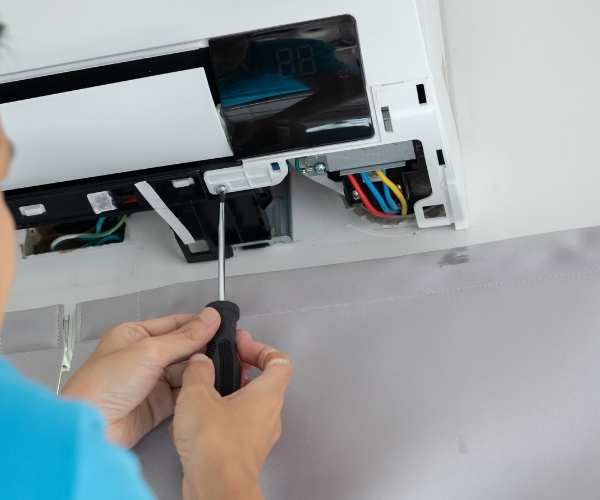
The Importance of Local Experience in Florida's Climate
St Petersburg’s subtropical climate demands specialized HVAC knowledge.
Hurricane Preparedness and System Resilience
Florida’s hurricane exposure requires contractors who understand:
Installation Best Practices:
- Properly securing outdoor units to withstand high winds
- Elevated installations in flood-prone areas
- Hurricane straps and anchoring systems
- Protective caging for condenser units
Storm Preparation Guidance:
- Pre-storm shutdown procedures
- Post-storm inspection protocols
- Surge protection recommendations
Local contractors experienced with hurricane seasons provide valuable guidance that out-of-area contractors may miss.
Humidity Control Expertise
Florida’s high humidity (often 70-90%) requires:
Proper System Sizing:
- Oversized systems cycle too quickly, failing to dehumidify
- Correctly sized systems run longer cycles, removing more moisture
Dehumidification Features:
- Variable-speed air handlers for better moisture removal
- Whole-home dehumidifiers for extreme humidity
- Proper drain line installation and maintenance
Experienced contractors understand that cooling capacity alone doesn’t equal comfort in Florida’s climate.
Energy Efficiency in Hot Climates
With AC running 8-10 months yearly in St Petersburg, efficiency matters:
High-SEER Systems:
- SEER 16+ ratings recommended for Florida
- Heat pumps offering heating and cooling efficiency
- Inverter technology for variable capacity
Installation Quality:
- Proper refrigerant charging (crucial in heat)
- Sealed ductwork preventing energy losses
- Adequate insulation around ducts in attics
Local contractors familiar with St Petersburg’s cooling demands help you select and install systems that perform efficiently year-round.
Evaluating Customer Service and Support
Technical skills matter, but service quality determines your long-term satisfaction.
24/7 Emergency Service Availability
AC failures don’t wait for business hours. Evaluate:
Emergency Response:
- True 24/7 availability (some claim it but don’t deliver)
- Average emergency response times
- After-hours service fees
- Priority scheduling for maintenance plan customers
In St Petersburg’s summer heat, fast emergency response isn’t a luxury—it’s essential for safety and comfort.
Maintenance Plan Options
Preventive maintenance extends equipment life and prevents breakdowns. Quality contractors offer plans including:
Typical Maintenance Plan Features:
- Biannual tune-ups (spring and fall)
- Priority emergency service
- Discounts on repairs
- Filter replacements
- System cleaning and inspection
Annual maintenance costs typically range from a few hundred dollars, while preventing failures costing thousands.
Communication and Responsiveness
Assess contractor communication during the initial contact:
- Response Time: Do they return calls and emails promptly?
- Clarity: Can they explain technical issues in understandable terms?
- Availability: Can you reach someone when you have questions?
- Transparency: Are they upfront about costs and timelines?
Poor communication during sales typically worsens after installation.
Verifying 5 Star HVAC Contractors: What the Ratings Mean
Star ratings provide quick insights, but understanding what they represent helps you evaluate contractors accurately.
Understanding Review Platform Metrics
Google Reviews:
- Based on 1-5 star customer ratings
- Averaged across all reviews
- Recent reviews weighted more heavily in search rankings
- Displayed prominently in local search results
Better Business Bureau Ratings:
- Letter grades from A+ to F
- Based on complaint volume, resolution, and business practices
- Not purely customer satisfaction ratings
- Consider BBB accreditation status separately
Angi (Angie’s List) Ratings:
- Professional reviews with detailed scoring
- Verified customer reports
- Multiple rating categories (price, quality, responsiveness, etc.)
Identifying Authentic Customer Feedback
Distinguish genuine reviews from manipulated ratings:
Authentic Review Indicators:
- Specific project details
- Balanced feedback (mentioning both positives and areas for improvement)
- Varied review dates over time
- Mix of photo evidence and detailed descriptions
- Different writing styles across reviews
Suspicious Review Patterns:
- Generic praise without specifics (“Great service!”)
- All 5-star reviews posted within short timeframes
- Similar phrasing across multiple reviews
- No customer photos or project details
- Defensive or aggressive contractor responses to any criticism
Focus on contractors with consistent 4.5-5 star ratings across multiple platforms, supported by detailed, authentic-sounding customer experiences.
Frequently Asked Questions About Choosing HVAC Contractors
1. How do I verify an air conditioning contractor license Florida requires?
Visit the Florida Department of Business and Professional Regulation website at MyFloridaLicense.com. Search by contractor name or license number to confirm active status, check for disciplinary actions, and verify the license covers air conditioning work. All legitimate contractors must display their license number prominently.
2. What's the difference between licensed and unlicensed contractors?
Licensed contractors have passed state competency exams, maintain continuing education, carry required insurance, and face regulatory oversight. Unlicensed contractors lack these credentials, may void equipment warranties, expose you to liability, and often produce substandard work without recourse.
3. How many estimates should I get before choosing a contractor?
Request written estimates from at least three contractors. This range allows you to identify average pricing, compare equipment specifications, and evaluate different approaches to your project. More than five estimates becomes time-consuming without adding significant value.
4. Should I always choose the lowest-priced estimate?
No. Extremely low estimates often indicate inferior equipment, improper installation, hidden fees, or unlicensed work. Mid-range estimates from licensed, well-reviewed contractors typically offer the best value. Focus on overall value—quality equipment, proper installation, comprehensive warranties—rather than initial cost alone.
5. What warranties should a good contractor provide?
Expect manufacturer warranties on equipment (typically 5-10 years on parts) and contractor labor warranties (1-10 years depending on service type). Quality contractors help register manufacturer warranties, explain coverage terms, and provide clear warranty claim processes.
6. How long does HVAC installation typically take?
Standard residential AC replacement takes 1-3 days for most homes. Factors affecting timeline include system type, installation complexity, ductwork modifications, and permit requirements. Contractors should provide specific timelines in written estimates.
7. Do I need permits for HVAC work in St Petersburg?
Yes. Most HVAC installations, replacements, and significant repairs require building permits in St Petersburg. Licensed contractors obtain necessary permits, and inspectors verify code compliance. Avoid contractors who suggest skipping permits to “save money”—this creates serious legal and safety issues.
8. How often should I schedule HVAC maintenance?
Professional maintenance twice yearly—before cooling season (spring) and heating season (fall)—maximizes system life and efficiency. Many contractors offer maintenance plans bundling these tune-ups with additional benefits like priority emergency service and repair discounts.
9. What's the typical lifespan of an AC system in Florida?
Properly maintained AC systems in Florida typically last 12-15 years. Florida’s year-round usage and harsh climate (heat, humidity, salt air near coasts) reduce lifespans compared to systems in milder climates. Quality installation and regular maintenance significantly impact longevity.
10. Can I install HVAC equipment myself to save money?
No. Florida law requires licensed contractors for HVAC installations. DIY installations void manufacturer warranties, violate building codes, create safety hazards, and may result in fines. The complexity of refrigerant handling, electrical work, and proper system sizing requires professional expertise.
Making Your Final Decision: A Step-by-Step Checklist
Use this final checklist to confirm you’ve completed all due diligence:
Licensing and Credentials:
☐ Verified active state license through Florida DBPR
☐ Confirmed license covers air conditioning work
☐ Reviewed any disciplinary history
☐ Verified appropriate county registration if required
Insurance and Bonding:
☐ Obtained current general liability insurance certificate
☐ Confirmed worker’s compensation coverage
☐ Independently verified coverage with insurance providers
Business Reputation:
☐ Checked Better Business Bureau rating and complaint history
☐ Reviewed Google business profile (4.5+ stars ideal)
☐ Examined reviews on multiple platforms
☐ Contacted at least three provided references
Written Estimate Review:
☐ Received detailed written estimates from 3+ contractors
☐ Compared equipment specifications across estimates
☐ Reviewed warranty terms (equipment and labor)
☐ Verified all costs itemized (no hidden fees)
☐ Confirmed project timeline and completion date
Contract Terms: ☐ Read complete contract before signing
☐ Verified contract includes all verbal promises
☐ Confirmed payment schedule protects your interests
☐ Ensured warranty registration process is documented
☐ Obtained copies of all permits before work begins
Communication and Service:
☐ Assessed contractor responsiveness during sales process
☐ Verified emergency service availability
☐ Discussed maintenance plan options
☐ Confirmed technicians are background-checked
Once you’ve checked every box, you’re ready to move forward confidently with your selected contractor.
Why St Petersburg Homeowners Trust Value Air and Heat HVAC
Selecting how to choose a heating and air conditioning contractor doesn’t have to be overwhelming when you partner with qualified professionals who prioritize transparency, quality, and customer satisfaction.
Value Air and Heat HVAC St Petersburg serves local homeowners with:
✓ Fully Licensed and Insured: Active Florida HVAC contractor license with comprehensive liability and worker’s compensation coverage
✓ Local Expertise: Years of experience serving St Petersburg’s unique climate challenges
✓ Transparent Pricing: Detailed written estimates with no hidden fees
✓ Quality Workmanship: Certified technicians trained on the latest HVAC technologies
✓ Customer-Focused Service: 24/7 emergency availability and responsive communication
✓ Comprehensive Warranties: Equipment and labor warranties protecting your investment
Ready to experience the difference professional HVAC service makes?
Contact Value Air and Heat HVAC St Petersburg to schedule your appointment today for your free consultation and written estimate. Our licensed professionals are standing by to answer your questions and provide the reliable heating and cooling solutions your home deserves.